 PetCare Updates

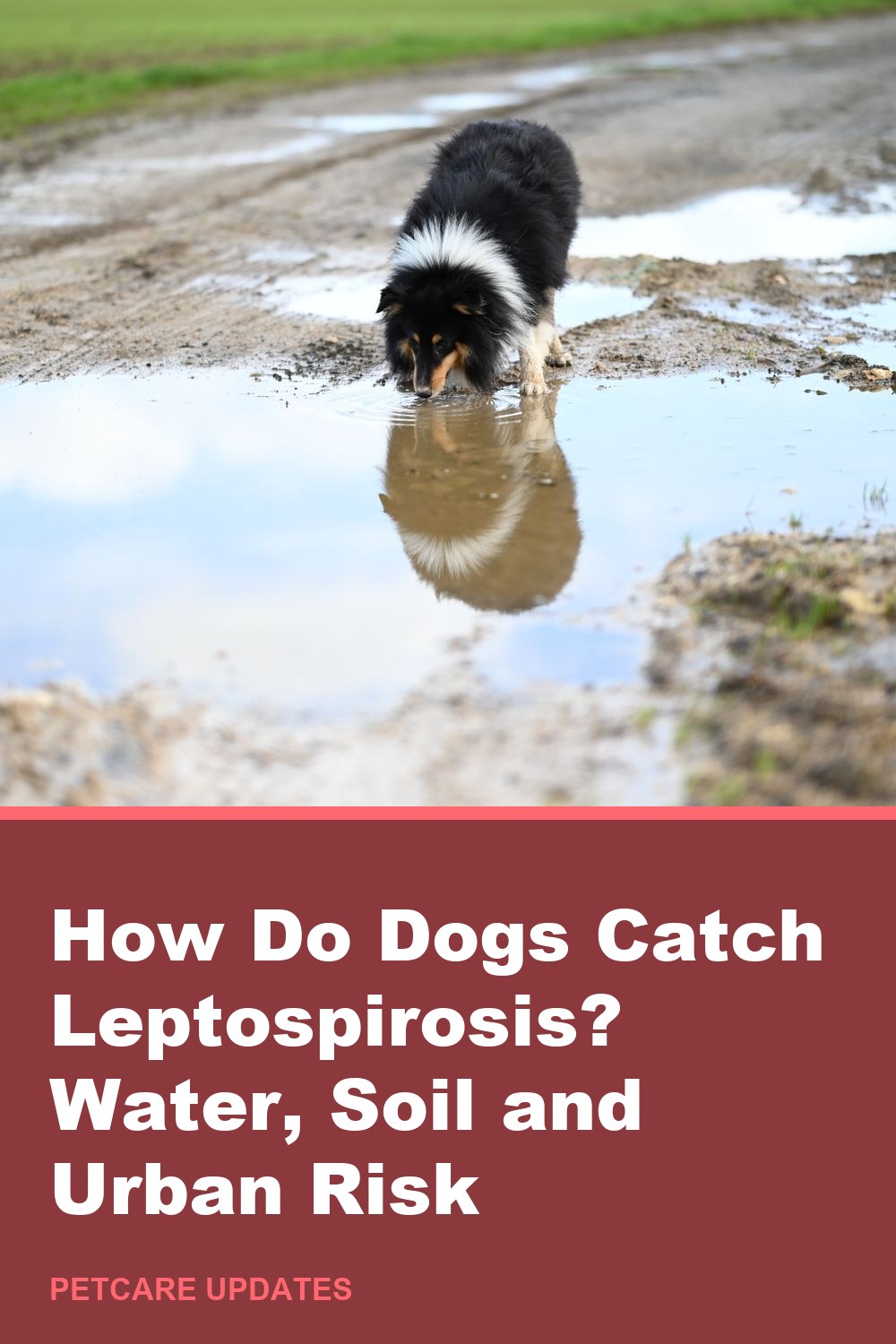

- Dogs catch leptospirosis from water or soil contaminated with the urine of infected animals, so puddles and stagnant water are worth avoiding.
- Small-breed and city dogs get leptospirosis too, so risk is not limited to dogs that hike or swim in the countryside.
- In 2024 AAHA moved leptospirosis vaccination to core for all dogs, so ask your vet about it at the next visit.
Dogs catch leptospirosis through contact with water or soil contaminated by the urine of infected animals. The bacteria involved are called Leptospira, and a city dog on a pavement walk can meet them just as a hiking dog can in a field or forest. That matters now because, according to the AKC Canine Health Foundation, research on real cases has changed how vets think about who is at risk, and vaccination guidance has shifted with it.
How dogs are exposed to Leptospira
The route is simple. Infected animals pass the bacteria in their urine. That urine contaminates water or soil, and your dog meets it on a walk, whether by paddling, drinking, or just standing in it.
The AKC Canine Health Foundation describes leptospirosis as a potentially serious bacterial disease. It can cause acute kidney injury, liver disease and other complications. This is why prevention is worth a few minutes of thought, rather than waiting until a dog is ill.
The disease is also zoonotic, meaning it can infect people. Keeping your dog protected helps protect your household too.
City dogs and countryside dogs: same bacteria, different places to meet them
It is easy to assume leptospirosis belongs to farm dogs and hiking companions. The AKC Canine Health Foundation points out that a small dog walking an urban neighbourhood and a dog spending weekends in fields or forests can both be exposed.
Research led by Dr. Jane Sykes of the University of California, Davis, and colleagues looked at naturally occurring cases. The team documented the disease in dogs that did not fit the old picture of high risk, including small breeds and dogs living in urban environments. The finding challenged the idea that exposure was mostly limited to dogs with rural, outdoor or wildlife-associated lifestyles. Risk, in the foundation's words, extends across breeds, sizes and lifestyles.
The route is the same in both settings, but the places you might meet contaminated water or soil differ:
- Urban walker: puddles along the pavement, pooled water near kerbs, damp patches of soil or grass in a small park, standing water in a courtyard or building site.
- Countryside hiker: ponds, ditches, slow streams, muddy tracks, wet fields and woodland ground.
Those examples are everyday places to watch for, not a ranking of danger. The point is that every dog walk includes some water and soil, so every dog has some exposure.
What changed in vaccine guidance
As evidence built up, recommendations followed. In 2024, both the American Animal Hospital Association (AAHA) and the World Small Animal Veterinary Association (WSAVA) updated their vaccination guidance. AAHA moved leptospirosis vaccination from non-core to core for all dogs.
Dr. Sykes says the best thing owners can do is get their dog vaccinated, and notes that today's vaccines are given every year and are cleaner and safer than those available more than ten years ago. The foundation adds that the conversation with your vet now matters more than trying to decide whether your dog fits a risk profile. The decision rests on your dog's individual health and medical history.
The foundation names the research as a finalist for its 2026 Canine Health Discovery of the Year Award. The winner is due to be revealed on December 10, 2026.
Six steps to lower your dog's risk
None of these steps replaces a vet's advice, and none guarantees your dog will never be exposed. Together they cut down the chances.
- Map your usual walks. Walk your regular routes with water in mind. Note where puddles collect, where ground stays soggy, and where there is a pond, ditch or other standing water.
- Steer around puddles and stagnant water. Use a lead where needed and choose the drier side of the path. Teach a calm “leave it” if your dog heads for a puddle. Our post on winter dog walks has route ideas for wet-weather outings.
- Bring your own water. A dog with a drink of fresh water in a travel bowl has less reason to sip from a puddle or pond.
- Watch what your dog does with grass and soil. If your dog chews turf or digs in damp ground, bear in mind that contaminated soil is part of the picture. Our look at why dogs eat grass covers the habit more broadly.
- Rinse and dry after wet outings. Wipe or rinse muddy paws and legs, then dry your dog. Wash your own hands afterwards, since the disease can infect people. If anyone in your household has health concerns, ask your doctor.
- Ask your vet whether vaccination suits your dog. Mention the real shape of your dog's week: city pavements, weekend trails, lake visits, boarding or travel. Your vet will weigh that with your dog's health and medical history. A Bestiepedia page on pet vaccines and checkups can help you keep track of what your dog has had and when.
If your dog may have been exposed
Perhaps your dog waded through a stagnant pond, drank from a puddle or splashed through muddy ground, and you are not sure about vaccination status. Stay calm, and do these things:
- Dry and clean your dog, and wash your hands.
- Write down where and roughly when the contact happened.
- Check your dog's vaccination record, or ask the clinic to look it up.
- Call your vet, describe the exposure, and ask whether anything needs doing now.
Do not try to treat anything at home, and do not give human medicines. Your vet decides what is needed.
When to call the vet
Because leptospirosis can affect the kidneys and liver, a dog that seems unwell deserves a prompt call. This applies even if the signs seem mild or vague. Tell the clinic about any recent contact with puddles, ponds, ditches or damp soil, and whether your dog is vaccinated. That history helps your vet decide what to check.
Call too if you are unsure about your dog's vaccine status, or if your routine is about to change, say to more outdoor time or a holiday near water. These are good moments to talk about prevention before anything goes wrong. For more on timing, our readers can also look at the vet advice pages linked above.
A note for cat owners
The research described here concerns dogs. If you share a home with both species and want to know about your cat, ask your vet directly rather than assuming the dog advice applies.
The takeaway for everyday walks
Leptospirosis spreads through contaminated water and soil, and the research says no dog is exempt by size, breed or postcode. Dry routes, fresh water from home and a conversation with your vet about the vaccine fit easily into normal routines. Since AAHA's 2024 change, that conversation has become the standard first step rather than an optional extra.
As an Amazon Associate I earn from qualifying purchases: if you buy through these links I may earn a small commission, at no extra cost to you. Each link opens a search on the Amazon store for your country.
Watch or listen to this episode
Sources
Photo: JacLou- DL / Pexels

I'm an Italian creator who builds apps, games and websites. I run PetCare Updates with the help of AI tools: every article starts from the sources linked above, and I check what goes out. I'm not a doctor, a lawyer or a financial adviser. Spotted a mistake or have an idea? Write to me.
Instagram @spartaco_94_My websiteWrite to meAbout this blog










 The Basics of Puppy Training: A Comprehensive Guide
 Understanding Feline Behavior: Training Your Cat
 Solving Common Behavioral Issues in Dogs and Cats





