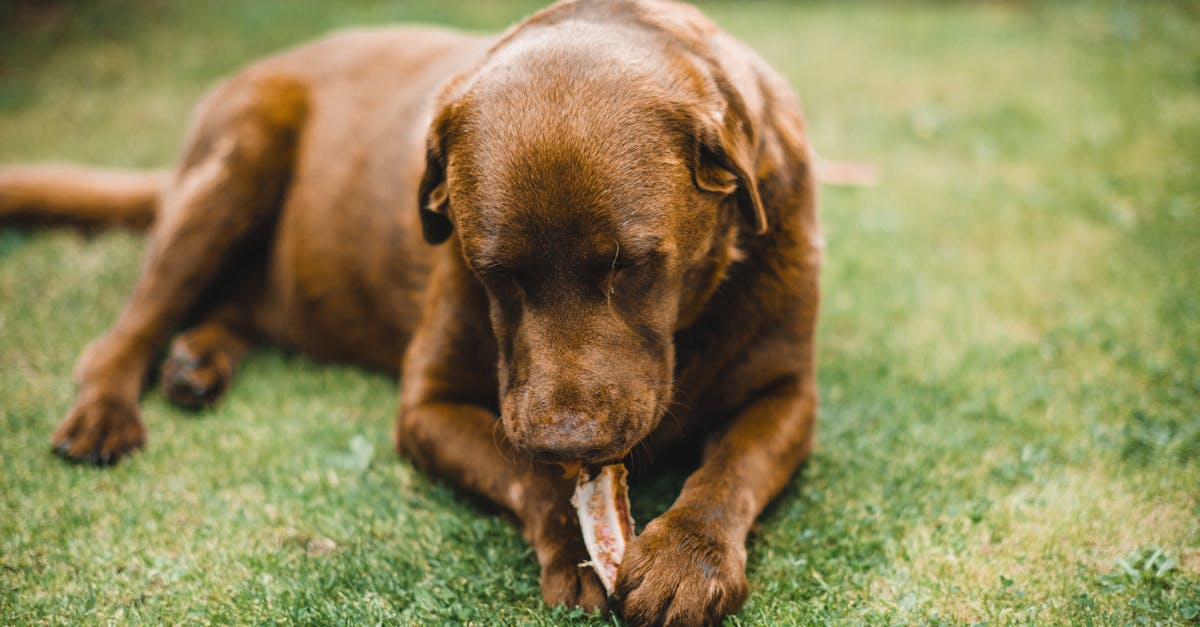
Your dog has wandered onto the lawn again and is chewing grass like a small, determined cow. Maybe they throw some of it up later, maybe they don't. Either way, you're wondering whether something is wrong.
Here's the short answer: for most dogs, eating grass is normal, common behaviour and not a sign of illness. It's usually down to boredom, curiosity, liking the taste or texture, or an old scavenging instinct. It becomes worth a vet's attention when it's sudden, frantic or comes with other changes, such as repeated vomiting, a poor appetite or low energy. The bigger everyday risk is often not the grass itself but what's been sprayed on it or is growing beside it.
Why do dogs eat grass in the first place?
Most of the time there's no single cause. These are the everyday reasons, roughly from most to least common:
- Boredom. A dog with energy to burn and nothing to do will find a job. Chewing grass is easy, it's always there, and it passes the time.
- Taste and texture. Fresh spring growth is soft, damp and slightly sweet. Plenty of dogs simply seem to enjoy it, and many are picky about which blades they choose.
- Instinct. Dogs descend from scavengers that ate a varied diet, including plant material. Grazing is an old behaviour, not a new problem.
- Attention. If grazing reliably makes you rush over, your dog may learn it's a good way to get you involved.
- Fibre. Some dogs may be looking for roughage. Owners sometimes notice less grazing after a vet-approved diet change, though this doesn't apply to every dog.
Think of it like a person absent-mindedly eating crisps in front of the television. They're not starving and they're not unwell; it's partly habit, partly boredom and partly because crisps taste nice. Most grass-eating sits in that same comfortable middle ground.
Does eating grass mean my dog has an upset stomach?
This is the most common belief, and it's only partly true. Some dogs do eat grass and then vomit, which is why people assume they're trying to make themselves sick. But owner surveys have repeatedly found that most grass-eating dogs don't seem unwell beforehand, and only a minority vomit afterwards. In many cases the grass is just eaten, digested as much as it can be, and passed out the other end.
If your dog occasionally brings up a bit of grass and then carries on as normal, eating, playing and toileting as usual, that's generally nothing to worry about. A pattern is different, and the vet section below covers it.
How do I make my garden safe for a grazing dog?
Because you probably can't stop grazing completely, the practical goal is making sure what they graze is safe. Work through this in order:
- Check what goes on the lawn. Weedkillers, fertilisers and lawn feeds can be harmful if eaten. Follow the label's instructions on keeping pets off treated areas; this varies by product and is often until the area has fully dried or longer. If in doubt, keep your dog off for at least 24–48 hours.
- Remove slug pellets. These are one of the most serious garden poisoning risks for dogs. Use pet-friendly alternatives or none at all.
- Know your plants. Daffodil and tulip bulbs, foxglove, yew, lily of the valley, autumn crocus and sago palm are among the plants that can be toxic to dogs. Dogs that graze often nibble whatever is next to the grass too.
- Watch the mulch and compost. Cocoa shell mulch contains the same compound that makes chocolate dangerous, and mouldy compost can make dogs very ill. Fence off compost bins.
- Pick up slugs and snails where you can. In many areas they can carry lungworm, a parasite dogs catch by eating them, sometimes accidentally along with grass. Ask your vet whether your dog's parasite prevention covers it.
- Grow a safe patch. Some owners plant a small tray of untreated grass, such as wheatgrass or oat grass, so their dog has a known-safe place to graze.
Away from home, avoid letting your dog graze verges, parks or sports pitches that may have been sprayed. You rarely know what's been applied.
When should I call the vet?
Calm is the right default, but these are clear signs to ring your vet rather than wait and see:
| Usually fine | Call the vet |
|---|---|
| Grazing now and then, at a relaxed pace | Suddenly eating grass frantically or obsessively |
| Vomiting a little grass once, then acting normally | Vomiting more than once or twice in 24 hours |
| Eating and drinking as normal | Off their food for more than 24 hours |
| Normal energy and play | Lethargy, restlessness, a hunched posture or a sore-seeming belly |
| Normal poo | Diarrhoea lasting more than a day, or any blood in vomit or stool |
| Grazing on your own untreated lawn | Grazed somewhere recently sprayed, or chewed a toxic plant or slug pellets |
Puppies, elderly dogs and dogs with existing health conditions should be seen sooner, as they can go downhill faster. And if you think your dog has eaten something toxic, don't wait for symptoms; call your vet or an animal poison helpline straight away. Don't try to make your dog sick at home unless a vet tells you to.
What the research says
Research on grass-eating is limited, but the consensus is reassuring. Owner surveys suggest it's very common across breeds and ages, and that most dogs who do it are healthy. The American Kennel Club's guidance on dog behaviour describes grass-eating as a normal behaviour for most dogs, often linked to boredom or taste.
The poisoning risk is better documented than the grazing itself. The ASPCA Animal Poison Control Center's list of toxic plants and garden hazards covers many common garden plants, fertilisers and pest products that can harm pets. In the UK, the PDSA's pet health advice flags slug pellets, toxic plants and lungworm as everyday garden risks for dogs. The RSPCA's advice on dog welfare stresses that dogs need daily exercise and mental stimulation, which is exactly what bored grazers are often missing. For anything health-related, the American Veterinary Medical Association's advice for pet owners encourages regular check-ups so your vet can spot changes early.
Common mistakes
- Assuming grass-eating always means illness. Most grazing dogs are perfectly healthy. Worrying about every blade leads to stress for you and, sometimes, more attention-driven grazing from your dog.
- Ignoring what's on or near the grass. Owners focus on the grass and forget the lawn feed, slug pellets or foxgloves nearby. Those are far more likely to cause real harm.
- Treating it as purely a training problem. Telling your dog off rarely works if the root cause is boredom. More walks, sniffing games, chew toys and puzzle feeders usually reduce grazing better than any "no". Equally, if grazing changes suddenly, don't just train it away; get it checked.
Is it the same as eating poop or licking paws?
Not quite, though they're often searched together. Eating poop and constant paw-licking have their own long lists of everyday causes, from boredom to habit, and their own reasons to see a vet. If your dog does several of these at once, or any of them starts suddenly, mention it all to your vet in one visit. A full picture helps them far more than one behaviour on its own.
This article is general information and does not replace a visit to your vet. If your animal seems unwell, in pain or has eaten something toxic, call your vet straight away.