 PetCare Updates

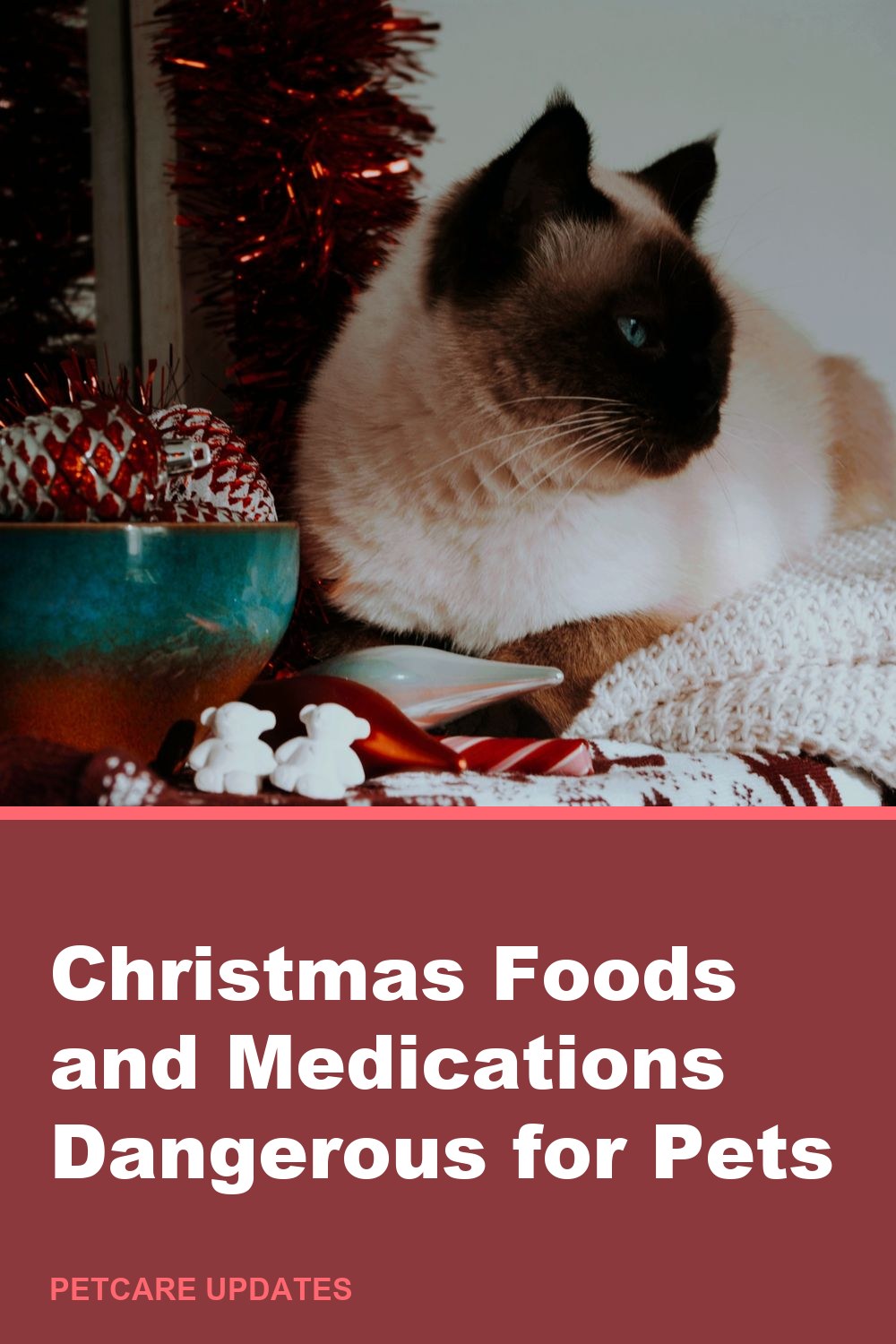

- Chocolate, xylitol sweets, grapes, raisins, onions, garlic and over-the-counter medicines are the main festive poisons to keep out of paws' reach.
- A Rover survey found 63% of US owners say their pet has eaten holiday food it shouldn't, and 43% needed emergency vet care over the season.
- If your pet may have swallowed something harmful, call your vet or a poison line straight away rather than waiting for symptoms.
The most dangerous Christmas items for dogs and cats are chocolate, sweets and baked goods containing xylitol, grapes and raisins, onions and garlic, human medicines and supplements, and swallowed decorations. Most of these sit on counters, in handbags or on low tables, so the safest step is to walk through your home at pet height before guests arrive. The timing matters: a Rover survey released on November 19 found that 63% of US pet owners say their pet has eaten holiday food it was not meant to have, and the busiest weeks for pet poisonings are still ahead.
What the holiday numbers say
According to dvm360's report on the Rover poll, 82% of owners share table scraps at least some of the time. Also, 18% said a forbidden snack led to a vet visit, and 43% said their pet needed an emergency vet visit during the holidays. The poll covered 1,000 US owners, was run by Pollfish on October 22, and did not report a margin of error. Treat the percentages as a snapshot of owner experience rather than a precise measure.
The ASPCA Animal Poison Control Center gives a firmer picture. It handled calls about more than 376,000 exposures in 2025. Chocolate made up 13.6% of those, and dogs were the most common patients. Food and drink drew more reports than any other category except over-the-counter medications and supplements. So the kitchen and the medicine cabinet are the two places to check first.
Foods and drinks that cause the most trouble
Within the food and drink category, the ASPCA center named xylitol-containing gum, grapes, raisins, onions and garlic among the biggest contributors. Chocolate is the most frequently reported holiday danger by call volume. The American Veterinary Medical Association (AVMA) adds two points worth remembering:
- Xylitol, a sweetener found in some baked goods, has been linked to liver failure and death in dogs.
- Bones can cause choking or intestinal blockage.
Think about where these hide at Christmas: chocolate in stockings and under the tree, raisins in puddings and mince pies, onion and garlic in stuffing and gravy, and bones in the bin. Gum and sugar-free sweets in guests' coats are easy to forget. If you want to check a particular food, the Can my pet eat it page on Bestiepedia is a quick reference.
The AVMA advises keeping human food away from pets and asking guests to do the same. For owners who do share, Rover suggests small portions of plain foods, such as plain pumpkin, green beans or unseasoned turkey breast with no skin or bones. If you give treats on top of normal meals, our post on how many treats cats and dogs can have each day will help you keep the total sensible.
Medications and supplements: the hazard that gets forgotten
Over-the-counter medications and supplements topped the ASPCA's exposure reports, ahead of food and drink. At Christmas, medicines tend to move out of their usual cupboard. Guests arrive with tablets in handbags, pill organizers end up on bedside tables, and vitamins sit on the kitchen counter next to the biscuits.
Ask your vet about your own household's medicines, including any prescribed for your pet, and never guess at safe amounts. Our advice here is simply to make sure nothing is within reach. A dog that can tip over a bag or a cat that can bat a bottle off a shelf can cause a problem in seconds.
Decorations, trees and open doors
Half of the survey respondents said a pet had knocked over a tree or chewed lights or decorations, and 54% of those said it happened more than once. The AVMA recommends these precautions:
- Secure the tree to the ceiling or a doorframe.
- Unplug decorations when nobody is home.
- Never leave pets alone with lit candles.
- Keep tinsel and ribbon out of reach, because swallowed decorations can cause choking or intestinal blockage.
Tree preservatives rank second, behind chocolate, among holiday dangers reported to ASPCA poison control. dvm360 reported last year that string ingestion is the most common foreign-body emergency in cats, with treatment averaging $2,500.
Visitors also bring stress and escape risks. Nearly half of Rover's respondents (48%) said a pet had slipped out or nearly slipped out during a gathering, and 44% said their pet hides, becomes anxious or acts protective around visitors. If your cat disappears when the doorbell rings, our post on why a cat hides under the bed and when to worry explains what is normal. An AirTag cat collar can be a useful backup if your cat is an escape artist.
Six steps to check your home before guests arrive
- Crouch down and scan. Look at counters, low tables, coffee tables and the floor around the tree for sweets, chocolate, gum, baked goods and anything wrapped as a gift that contains food.
- Move the medicines. Put your own medicines, vitamins and supplements in a closed cabinet or a container your pet cannot open. Ask guests to keep their pills in a bag you put in a closed room, not on a chair or the floor.
- Secure the bins. Use a lidded bin, or keep it in a closed cupboard, so bones, grape and raisin leftovers, and onion and garlic scraps stay out of reach. Take the rubbish out promptly after the meal.
- Tell your guests the rules. The AVMA advises asking visitors not to feed pets. Say it kindly and early, and set out a small bowl of your pet's own treats if people want to join in.
- Tame the tree. Anchor it, cover or remove the water if you use preservatives, unplug lights when you go out, and keep tinsel, ribbon and string off the lower branches.
- Give your pet a retreat. Set up a quiet room or crate that guests will not enter, and watch the doors as people come and go. Make sure ID tags and microchip details are current.
If your pet may have eaten something harmful
The AVMA's advice is to contact a vet immediately if you suspect your pet has eaten something harmful. Do not wait for symptoms, since some poisons take time to show. While you phone, gather the details your vet will ask about:
- What was eaten, and any packaging or ingredient list.
- Roughly how much and when.
- Your pet's weight and any medicines they already take.
Do not try home remedies unless your vet tells you to. In the US, the ASPCA Animal Poison Control Center is on 888-426-4435 and the Pet Poison Helpline is on 855-764-7661. Save both numbers in your phone and write them on the fridge. The Pet poison emergency page on Bestiepedia is a handy place to start if you need to look something up fast.
Know your emergency route before you need it
The AVMA recommends finding the route to your nearest 24-hour emergency clinic ahead of time and keeping key numbers where anyone in the house can find them. Holidays often mean your regular vet is closed, so check the opening hours now. Note the clinic's address next to the poison line numbers.
It is also worth asking your vet now about any specific worries, such as a pet on regular medication or one that raids bins. A short call in November is easier than an urgent one on Christmas night.
As an Amazon Associate I earn from qualifying purchases: if you buy through these links I may earn a small commission, at no extra cost to you. Each link opens a search on the Amazon store for your country.
Watch or listen to this episode
Sources
Photo: Dagmara Dombrovska / Pexels

I'm an Italian creator who builds apps, games and websites. I run PetCare Updates with the help of AI tools: every article starts from the sources linked above, and I check what goes out. I'm not a doctor, a lawyer or a financial adviser. Spotted a mistake or have an idea? Write to me.
Instagram @spartaco_94_My websiteWrite to meAbout this blogWritten by Ciro Irmici (Ciro Simone Irmici), with the help of AI tools. Ciro Irmici's website










 The Basics of Puppy Training: A Comprehensive Guide
 Understanding Feline Behavior: Training Your Cat
 Solving Common Behavioral Issues in Dogs and Cats





