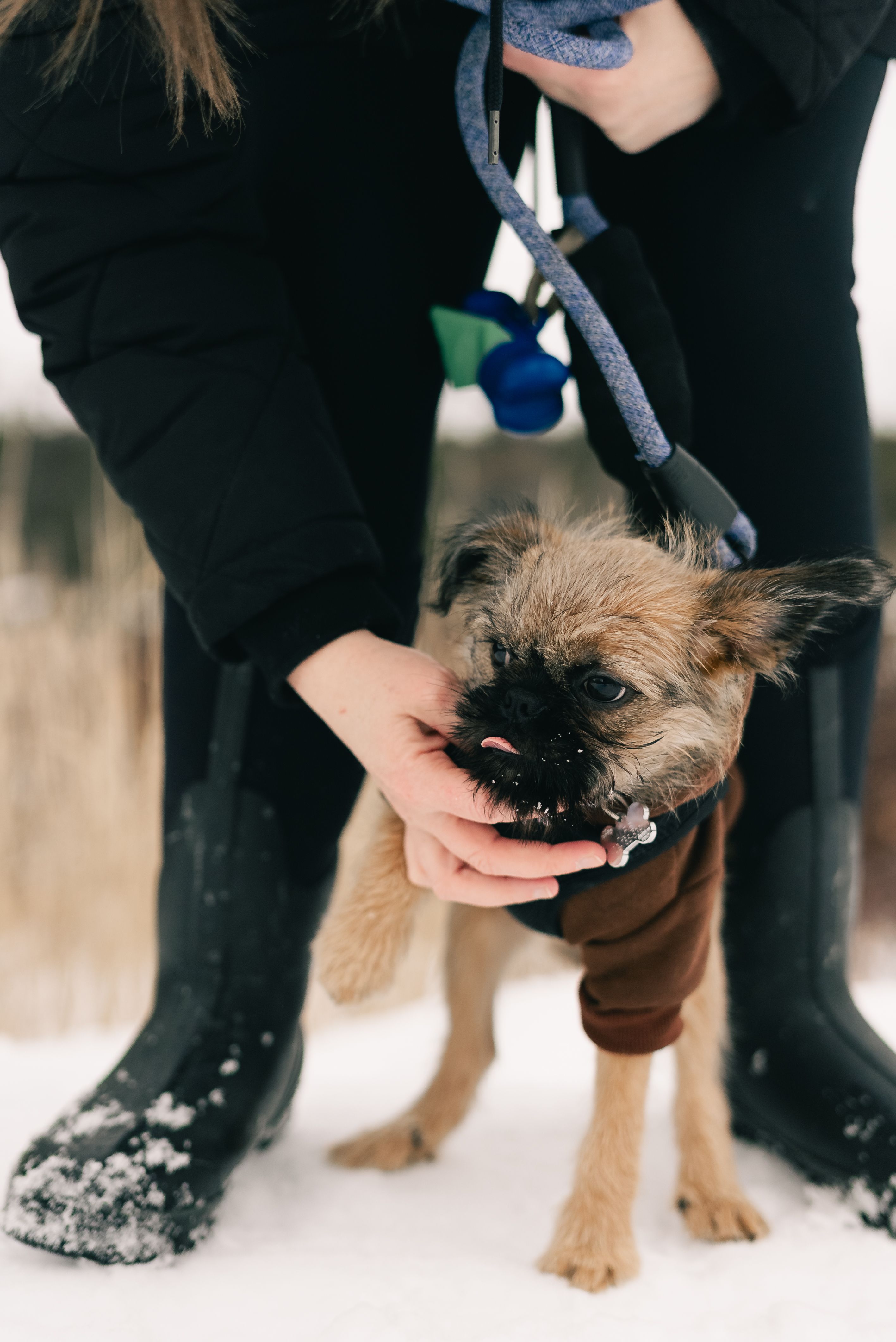
Why Do Puppies Bite and How to Manage This Behavior
Quick read below — save or share if useful.
Why Do Puppies Bite and How to Manage This Behavior
Puppy biting is normal. It doesn’t mean your pup is mean or dominant. It means they’re young, curious, and often teething. You can manage it with calm steps, good routines, and clear practice. Below you’ll find why puppies bite, what’s normal and what isn’t, and simple ways to turn chaotic nipping into better habits without fear or force.
Why do puppies bite in the first place?
- They explore with their mouths. A puppy’s mouth is like our hands. If a toddler grabs everything to learn about it, a puppy mouths it.
- They play. Littermates wrestle and nip. Your skin and clothes can become stand-ins unless you teach other options.
- They’re teething. From about 3 to 6 months, gums are sore. Chewing helps. That discomfort can spike nipping.
- They’re over-tired or over-aroused. A wound-up or exhausted puppy often tips into bitey behavior, like a cranky toddler.
- Some breeds chase movement. Herding and working breeds may nip ankles or clothes when people move.
- They want attention. If biting gets a big reaction, they’ll try it again.
When is puppy biting normal, and when is it a red flag?
Normal puppy mouthing looks playful and loose. The body is wiggly. The tail may wag. Pressure isn’t hard, and the puppy stops when you redirect.
Red flags to act on:
- Repeated bites that break skin, not just tiny scratches.
- Stiff body, hard stare, growling over food, toys, or space.
- Biting during calm petting or when approached while resting.
- Pain signs: yelps when touched, sudden guarding of a body part, or a change from friendly to snappy after an injury.
If you see the red flags, get help from your vet and a qualified trainer who uses reward-based methods.
How can you redirect biting in the moment?
- Pause and swap fast. Within 1–2 seconds of a nip, go still. Don’t yank your hand away. Present a toy at mouth level. Move the toy like prey (drag on the floor, gentle wiggles) to make it interesting.
- Mark and praise. The instant your puppy takes the toy, say “yes” or use a clicker. Praise warmly. Let them tug or chew that item.
- If teeth touch skin again, freeze. Stand up, fold arms, and stay boring for 2–3 seconds. No scolding.
- Use a brief time-out if needed. Step behind a baby gate or put the puppy behind a gate or in a playpen for 10–20 seconds. Keep it short. Then try again with a toy. Don’t use the crate for punishment; keep it a nap zone.
- Structure tug. Play 1–2 minutes at a time. If the mouth slides to your hand or clothes, cue “drop,” trade a treat, pause 2 seconds for calm, and resume. Do 2–3 short rounds, then end while your puppy is still successful.
What daily routine lowers biting?
- Sleep first. Young puppies need 16–20 hours of sleep in 24 hours. Plan several naps of 60–90 minutes in a crate or pen after every 30–90 minutes awake (shorter awake windows for younger pups). Many “shark attacks” vanish when pups rest more.
- Chew sessions. Offer 2–3 daily chew times of 15–30 minutes. Good options: a rubber food-stuffable toy filled with soaked kibble or wet food (freeze 4+ hours), a sturdy rope toy for supervised tug, or a knotted, damp washcloth frozen for teething and used only under watch. Choose chews you can dent slightly with a thumbnail; very hard items can risk tooth damage. Always supervise.
- Short training bursts. Do 3–5 minute sessions, 3–5 times per day. Teach sit, down, hand target, “drop,” and “leave it.” Use pea-sized treats. Lots of easy wins drain energy without hyping your pup up.
- Appropriate exercise. Favor sniff walks and gentle play on soft footing. For very young pups, think 10–20 minutes of gentle activity, 2–3 times a day, broken into pieces. Avoid forced running, long stairs, or repetitive jumps. Quality sniffing and exploring beats long mileage.
- Food enrichment. Scatter a portion of kibble in grass or on a snuffle mat for 5–10 minutes. Nose work tires minds and lowers mouthy chaos later.
Which games teach a softer mouth?
- “Get it” and “give.” Present a tug toy. Say “get it.” Play a few seconds. Say “give” or “drop,” then trade a treat at the puppy’s nose. When they open, take the toy, pause 2 seconds, and restart. Do 3–5 rounds. This teaches control without killing the fun.
- Hand targeting. Hold your palm out an inch from your puppy’s nose. When they touch your hand with their nose, say “yes” and treat. Gradually add a cue like “touch.” Do 10 reps. Use “touch” to interrupt nipping and guide the pup to you without grabbing.
- Soft-treat practice. Hold a treat in your closed fist. If your puppy mouths, stay still. When the mouth softens or they lick, open your hand and let them take it gently. Do 5–7 reps. You’re rewarding a careful mouth.
How do you handle children and guests around a mouthy puppy?
- Control the space. Use baby gates, an exercise pen, or a 10–15 foot house line attached to a harness. Prevent sprinting at fast-moving feet and clothing.
- Set rules kids can follow. No running, squealing, or waving hands near the pup. Have kids feed treats on a flat palm or toss them to the floor. If the puppy nips, kids “stand like a tree”: still body, arms folded, look away.
- Keep play short. With children, plan 3–5 minutes of structured games like “find it” or “touch,” then switch the puppy to a chew in a pen while kids relax.
- Dress for success. Avoid loose sleeves, scarves, and fluffy slippers that trigger chase.
- Give visitors a job. Hand them a stuffed toy to offer when they sit down. Calm greetings only. If the puppy gets nippy, take a short pen break and try again.
What should you avoid doing?
- No yelling, muzzle-grabbing, or hitting. These can create fear and bigger behavior problems.
- Don’t use your hands as toys. Wiggling fingers near a puppy’s face teaches the opposite of what you want.
- Don’t chase your puppy to get items back. Trade instead. Chasing makes grabbing more fun.
- Avoid rough wrestling and slap-style play. It rehearses biting skin and clothes.
- Don’t leave puppies and children together unsupervised, even “for a second.”
What does the evidence say?
Guidance from veterinary and animal-welfare organizations consistently favors reward-based training and management for puppy behaviors, including mouthiness. Approaches that redirect to appropriate toys, reinforce calm choices, and meet a puppy’s sleep, chew, and exercise needs are widely recommended. Punishment-heavy methods can increase stress and make defensive behavior more likely, which is the opposite of what you want for a growing dog.
It’s also broadly accepted that teething peaks between about 3 and 6 months, and that safe chewing and cooled or frozen textures can ease gum discomfort. As adult teeth come in and puppies learn better play skills, biting typically fades when owners stick to consistent redirection, brief time-outs, and structured play.
Because puppies grow fast, needs change quickly. What works at 9 weeks might need adjusting at 16 weeks. If biting escalates, becomes injurious, or appears linked to pain, a veterinary check and help from a reward-based trainer are prudent next steps. Evidence in behavior often builds from many sources—clinical experience, welfare guidance, and research—so the most reliable course is to use low-risk, humane methods with clear feedback and to avoid techniques that create fear.
Where this guidance comes from
- American Kennel Club — Practical puppy care and training basics, breed tendencies, and socialization tips.
- American Veterinary Medical Association — Veterinary perspective on welfare, safe training approaches, and when to seek medical help.
- ASPCA — Humane training principles, enrichment ideas, and bite-prevention guidance for families.
This article is general information, not veterinary advice. If your animal shows severe or worsening symptoms, contact a vet.
- 𝕏 Twitter: @0_Simone_0
- 🎥 YouTube: Audiobook Free – Author Ciro Irmici
- 📸 Instagram: @spartaco_94_
Enjoyed this post? Share it or explore more across my blogs and channels.
This article is part of the digital publishing network created by Ciro Irmici. Explore the creator portfolio here: About this blog.