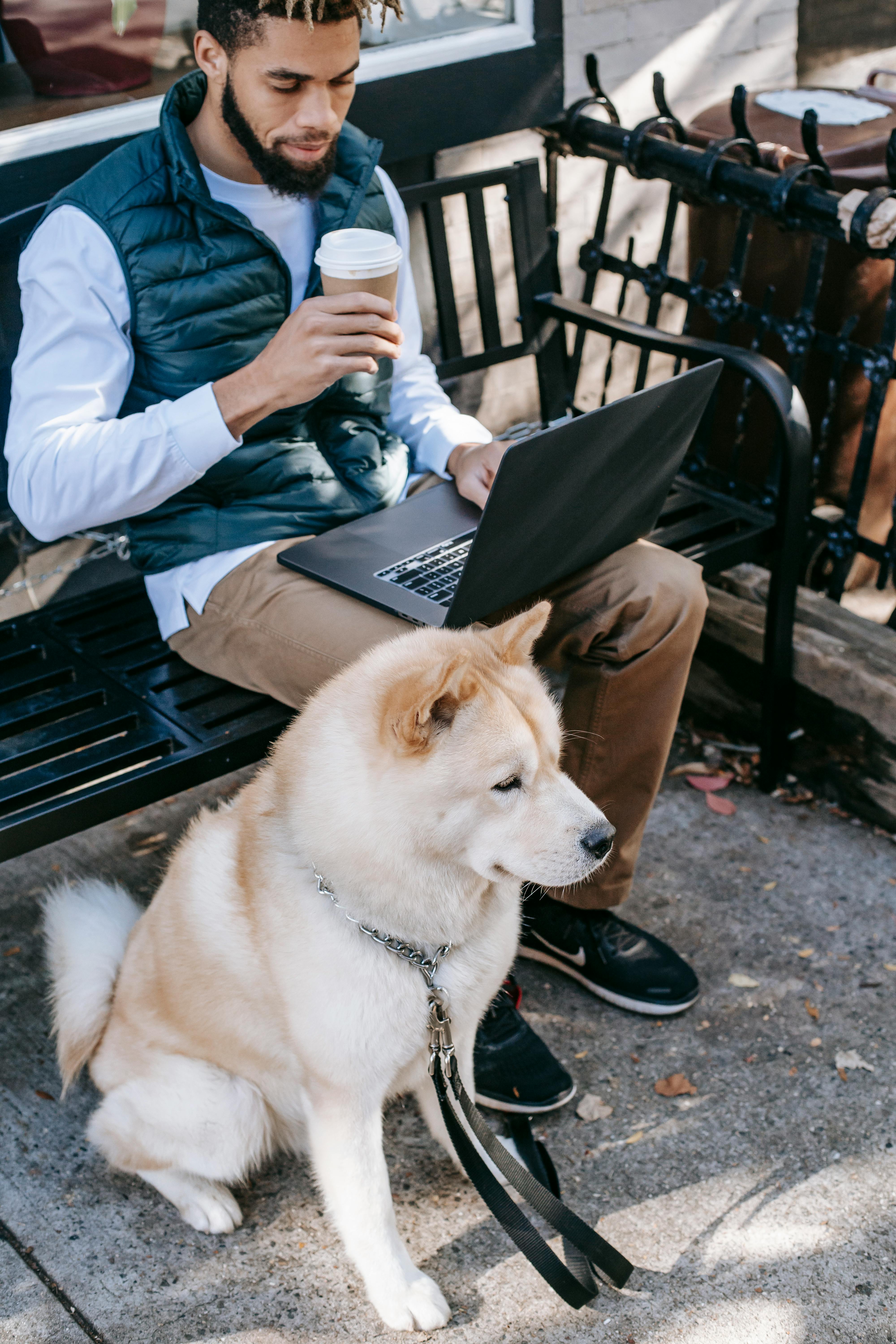
What To Expect From Online Dog Training Assessments
Quick read below — save or share if useful.
Online dog training assessments can be clear, practical, and useful if you know what will happen. Think of them like a first lesson on video with a coach who helps you practice in your own living room. Here’s what to expect so you can get the most from that first call and the follow-ups.
What is an online dog training assessment?
It’s a live video session where a trainer learns about your dog, watches how you both work together at home, and coaches you through first steps. Most first assessments run 45 to 90 minutes. You can use a phone, tablet, or laptop on a stable surface. The trainer asks questions, observes your dog’s behavior in real time, and gives you a short, written plan or summary afterward.
Unlike a class, the focus is on your dog’s daily life and your handling. You’ll be asked to demonstrate simple things like how your dog responds to their name, whether they can settle on a mat, or how they walk on a leash indoors or in a yard.
How should you prepare your space and gear?
- Pick a quiet room with 2–3 meters (6–10 feet) of open floor. Clear coffee tables and loose cables.
- Set your device 1–1.5 meters (3–5 feet) high so the trainer can see you both from the side. A chair, tripod, or shelf works.
- Have 1–2 cups of pea-sized, soft treats ready. If your dog is very food-motivated, use part of their regular meal as rewards.
- Have a 6-foot leash, a well-fitted flat collar or Y-front harness, a non-slip mat or bed, and a favorite toy.
- Bring water for your dog and a treat pouch or small bowl for rewards.
- Feed a little less at the previous meal so your dog is interested in treats. Aim for 3–4 hours since the last meal.
- Walk or play gently for 10–15 minutes about 30 minutes before the session to take the edge off without tiring your dog out.
- Crate or gate other pets in another room during the call.
What will your trainer ask and watch?
Expect 10–15 minutes of questions. Common topics:
- Age, breed or mix, weight, and any known medical issues.
- Daily schedule: sleep, meals, exercise, and alone time.
- What triggers the behavior (guests at the door, doorbell, other dogs, skateboards) and how often it happens.
- What you’ve tried so far and what helped or made it worse.
They’ll watch for body language: ear position, tail height, mouth tension, pacing, and how quickly your dog takes or refuses food. You may be coached to show:
- Name response: say the name once; reward a head turn. Do 5 reps.
- Simple cue like “sit”: ask once, wait 2–3 seconds, reward a sit. Do 5 reps.
- Leash walking indoors: walk 5–10 meters; mark and reward when the leash is slack. Do 2 passes.
- Recall at 3–5 meters: one person gently restrains, the other calls once, rewards generously when the dog arrives. Do 3–5 reps.
Which problems can be assessed well online, and which usually need in‑person help?
Well suited for online assessment and coaching:
- Puppy foundations: housetraining, crate training, chewing and nipping management.
- Manners: sit, down, stay, recall, leash skills, polite greetings, door manners.
- Barking at the window or doorbell, jumping on family, counter-surfing prevention.
- Enrichment and routine planning, alone-time training for mild cases.
- Mild reactivity at a distance using sound recordings or staged setups in your own space.
Better with in-person support (and sometimes veterinary input):
- Bite history, lunging with intent at people or dogs, or resource guarding that has led to bites.
- Severe separation distress where your dog panics, harms themselves, or vocalizes continuously.
- Phobias to specific outdoor triggers that require controlled setups for safety.
- Any sudden behavior change that might be pain-related or medical.
A good online trainer will tell you when in-person help or a veterinary check is the best next step.
What does a typical first session look like?
- Minutes 0–10: History and goals. You’ll pick one priority, like “stop pulling on leash.”
- Minutes 10–20: Observation. The trainer watches 2–3 short demos (name, sit, leash indoors).
- Minutes 20–40: Coaching. You’ll practice one or two starter exercises.
- Minutes 40–55: Plan and next steps. You’ll get a simple plan and homework schedule.
- Minutes 55–60: Questions and wrap-up.
Example: for leash pulling, you might be coached to do “Find Heel Zone” indoors.
- Stand still. When the leash is slack and your dog is by your left knee, say “Yes” and feed 1–2 treats at your knee. Repeat 5 times.
- Take 2–3 slow steps. If the leash stays slack, say “Yes,” feed 1 treat at your knee, then take 2–3 more steps. Do 3 sets of 5 reps, resting 30–60 seconds between sets.
- End with 1 minute of sniff-and-lick time on a snuffle mat so your dog associates training with calm.
Think of it like a cooking lesson over video. The trainer shows and tells; you chop and stir. The recipe is simpler than a restaurant dish, but you learn the technique.
What homework will you get, and how much time does it take?
Most plans ask for short, frequent sessions:
- 2–3 sessions per day, 3–5 minutes each. That’s 6–15 minutes total of focused work.
- 5–10 rewards per minute during active practice, tapering as your dog improves.
- One “real-life” practice built into your day, like 3 quiet doorbell reps before dinner.
Common homework blocks:
- Recall: 10 reps × 3 sets per day, spaced at least 2 hours apart. Start at 3–5 meters indoors, then 5–8 meters in a yard on a long line by day 3–5.
- Mat settle: Start with 30–60 seconds on the mat for 5–10 treats, 2–3 times per day. Add 30–60 seconds per day, aiming for 5–10 minutes of relaxed resting by week 2.
- Leash skills: 3 indoor laps in a hallway, 2–3 times per day; move to the driveway by day 3–4 if your dog stays under threshold.
Reasonable progress looks like this:
- Week 1: Your dog understands the game at home; fewer rehearsals of the problem inside.
- Weeks 2–3: Skills start to work in simple real-life moments (quiet street, family-only greetings).
- Weeks 4–6: You’re generalizing to harder places and adding mild distractions.
What tools and tech do you need?
- Stable internet and a device with a camera you can angle easily.
- Tripod or a stack of books to get the right height; good lighting behind the camera, not behind you.
- Optional: wireless earbuds so you can hear coaching while you move.
- Dog gear: flat collar or Y-front harness, 6-foot leash, long line (5–10 meters) for recall in safe areas, treat pouch, non-slip mat.
- Training rewards: soft treats you can break small; a tug toy if your dog loves play.
Most trainers will ask you to send 30–60 second video clips between sessions. That helps them adjust the plan without guessing.
How are progress and follow-ups handled?
Expect a short written plan within 24–72 hours. Many trainers offer 1–3 follow-ups over 2–6 weeks. A typical cadence is a 60-minute assessment, then 30–45 minute follow-ups every 1–2 weeks. Between sessions, you’ll track practice with a simple log (date, place, reps, and a 1–5 difficulty rating) and send brief videos. Good follow-ups raise one “criterion” at a time: a little more distance, a little more duration, or a little more distraction—not all three at once.
How does it compare to in‑person training?
Strengths of online assessments:
- Dogs work in a familiar, lower-stress space.
- Trainers coach your handling closely because you’re the one working the dog.
- Easier scheduling; no travel; helpful for rural areas.
Limits to keep in mind:
- It’s hard to safely stage dog-dog setups on video.
- Hands-on fitting of equipment and precise leash handling are trickier.
- Some aggression, fear, or phobia cases need in-person safety planning.
It’s like learning to ride a bike. A video can show balance and pedaling, and a coach can guide you from the sidelines. But for steep hills and traffic, having someone right there matters.
What are signs of a good online trainer—and red flags?
Good signs:
- They ask about medical history and will refer you to a vet if needed.
- They use reward-based methods, give you clear steps, and set realistic goals.
- You receive a written plan and can ask questions between sessions.
Red flags:
- Guarantees of quick fixes or “one-session cures.”
- Recommendations to use pain, fear, or intimidation, especially without seeing your dog move first.
- Blaming your dog’s breed as the reason they “can’t learn.”
- No safety discussion for reactivity or aggression.
What the evidence says
Evidence from animal learning research supports reward-based training and short, frequent sessions for building reliable behavior. While most studies focus on how dogs learn rather than how a session is delivered, the core pieces—clear cues, timing, and consistent reinforcement—can be coached effectively over video. Online formats can also reduce stress by keeping dogs in familiar spaces and by avoiding triggers that would be hard to control in a class. That said, safety-critical cases and some complex behavior problems often benefit from in-person assessment so a professional can gauge risk, set up controlled environments, and coordinate closely with a veterinarian when needed.
What should you expect after the first week—and after a month?
After 1 week:
- Your dog should respond faster to their name and one or two cues at home.
- Leash walking may be smoother indoors and in the yard for short stretches of 5–10 meters.
- Fewer rehearsals of the problem at home (for example, less jumping on family at the door if you’ve practiced door routines).
After 2–4 weeks (with daily practice):
- Recall should be snappier at 5–8 meters in quiet places, with a long line for safety.
- Mat settle can stretch to 5–10 minutes with low-level distractions.
- Leash skills begin to hold for the first 5–15 minutes of a walk in low-distraction areas.
If progress stalls for more than 7–10 days, tell your trainer. Often one small change—easier environment, higher-value rewards, shorter sessions—gets things moving again.
How can you make the most of the assessment?
- Pick one priority goal. You’ll get further with one clear target than five vague ones.
- Practice when your dog is likely to succeed: before the evening zoomies, not during them.
- Keep a tiny log: time, place, 1–2 notes. It helps you and your trainer tune the plan.
- End sessions on a win. Two good reps and finish.
Who is online assessment best for—and who should look for in-person help?
Best for:
- Puppies and adolescent dogs learning foundations.
- Busy households that can practice in short bursts.
- Owners who want coaching on handling and home routines.
Consider in-person first if:
- Your dog has a bite history or shows intense fear or aggression.
- Your dog panics when left alone or shows self-injury.
- You need help fitting equipment or handling in crowded public places soon.
Where this guidance comes from
- American Kennel Club: Useful for basic training concepts, breed traits, and puppy-socialization guidance.
- RSPCA: Helpful for welfare-first training approaches, enrichment ideas, and humane handling.
- American Veterinary Medical Association: Guidance on when behavior concerns may have medical causes and how to work with your veterinarian.
This article is general information, not veterinary advice. If your animal shows severe or worsening symptoms, contact a vet.
- 𝕏 Twitter: @0_Simone_0
- 🎥 YouTube: Audiobook Free – Author Ciro Irmici
- 📸 Instagram: @spartaco_94_
Enjoyed this post? Share it or explore more across my blogs and channels.
This article is part of the digital publishing network created by Ciro Irmici. Explore the creator portfolio here: About this blog.