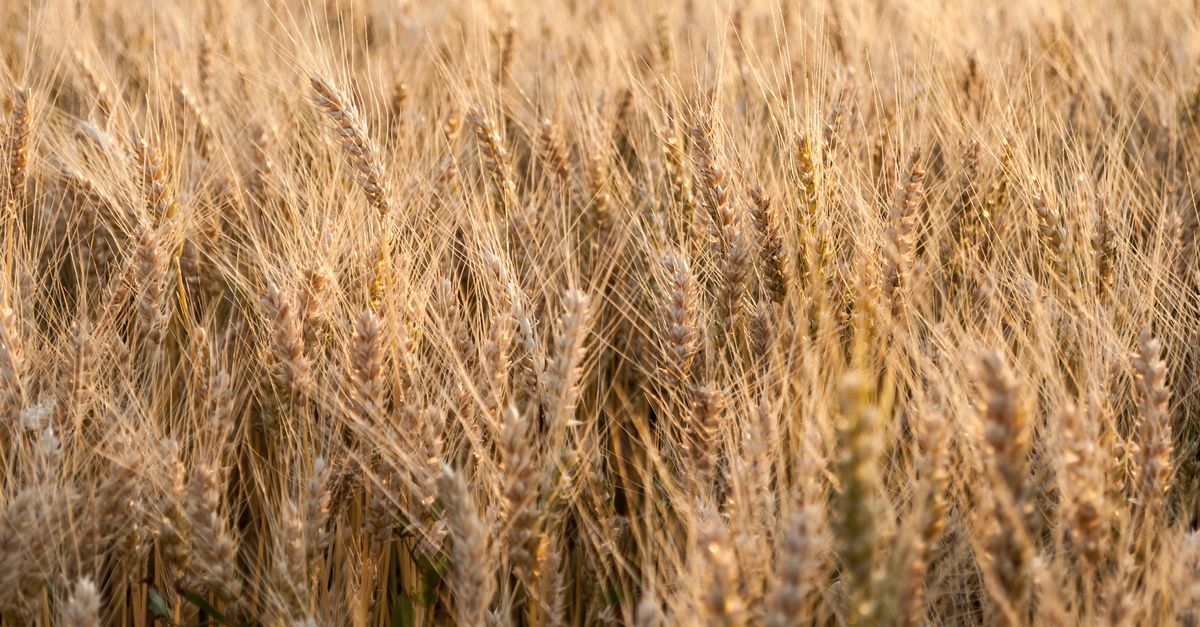
Scientists studying wheat and barley have uncovered genetic clues from 10,000 years ago that may help plants—and the animals and ecosystems that depend on them—adapt better to changing climates. This breakthrough could influence how we manage farm animal nutrition, wildlife habitats, and global agriculture resilience amid increasingly frequent droughts and extreme weather.
Why this matters
Plants like wheat and barley are foundational to both human and animal life. They serve as major food sources for livestock and wild herbivores, underpinning entire food webs. Understanding how these crops have historically adapted to environmental stresses is vital for preserving biodiversity and animal health in the face of climate change.
As farmers and conservationists wrestle with unpredictable weather patterns, this research sheds light on the genetic toolbox that plants have carried for millennia to survive droughts and harsh conditions. Healthier, more resilient crops mean more reliable feed for farm animals, better habitat quality for wildlife, and fewer disruptions to ecosystems. This knowledge could also assist in maintaining the nutritional quality of plant-based foods that support a diversity of animals.
What is happening
A team of researchers from INRAE, the University of Clermont Auvergne, and the CNRS have taken a deep dive into the evolutionary history of important crop species. By reconstructing 10 ancient genomes—called paleogenomes—they identified the common ancestors of 84 agronomically valuable botanical species.
These paleogenomes reveal that multiple plant species, including wheat and barley, share certain genes that have been preserved through thousands of years of natural selection. These genes are believed to be central to plants’ ability to adapt to environmental constraints like drought, a major stressor that impacts crop yield and quality.
This work supports the view that plants have a shared genetic heritage that guides their responses to climate challenges, which has implications for both cultivated crops and wild plants. The enduring presence of these climate-adaptation genes hints at potential targets for breeding programs aimed at enhancing resilience, which could benefit ecosystems dependent on these plants.
What readers can take away
- Wheat and barley have shared ancient genes linked to climate adaptation that may help improve crop resilience to drought conditions.
- Because many farm and wild animals rely on plants like wheat and barley for nutrition, healthier crops can contribute to better animal health and behavioral stability.
- Understanding plant genetics from a long-term evolutionary perspective provides valuable insights for sustainable agriculture and wildlife conservation.
- Conserving plant biodiversity ensures the presence of important genetic traits that support ecosystems facing climate stress.
- This research may guide future breeding efforts to develop crops that maintain nutritional quality and productivity even under climate pressures.
What to watch next
Further research is expected to explore the exact roles these shared genes play in plant responses to drought and other environmental factors. Breeding initiatives may begin to incorporate this genetic knowledge to create more climate-resilient crop varieties. In addition, ongoing advances in paleogenomics could reveal adaptations in other key crops, broadening the scope of climate-smart agriculture.
FAQ
Why is the study of ancient plant genomes important for animals?
Animals, both farmed and wild, depend on plants for food and habitat. Studying ancient plant genomes helps us understand how plants have historically adapted to climate stress, which can lead to healthier crops and ecosystems that support animal populations.
How might these findings affect farm animal care?
If crops like wheat and barley become harder to grow due to drought, animal feed availability and quality can suffer. By identifying genes that improve plant resilience, farmers may be able to grow more reliable, nutritious feed, which supports better animal health and welfare.
Could wild plants benefit from this research too?
Yes. Since the genes identified are shared across multiple plant species, understanding them might help conservationists protect and foster wild plant populations that are crucial for natural habitats and the animals living within them.
This article is informational only and is not veterinary advice. Original source: read more here.
- 𝕏 Twitter: @0_Simone_0
- 🎥 YouTube: Audiobook Free – Author Ciro Irmici
- 📸 Instagram: @spartaco_94_
Enjoyed this post? Share it or explore more across my blogs and channels.
This article is part of the digital publishing network created by Ciro Irmici. Explore the creator portfolio here: About this blog.