 PetCare Updates

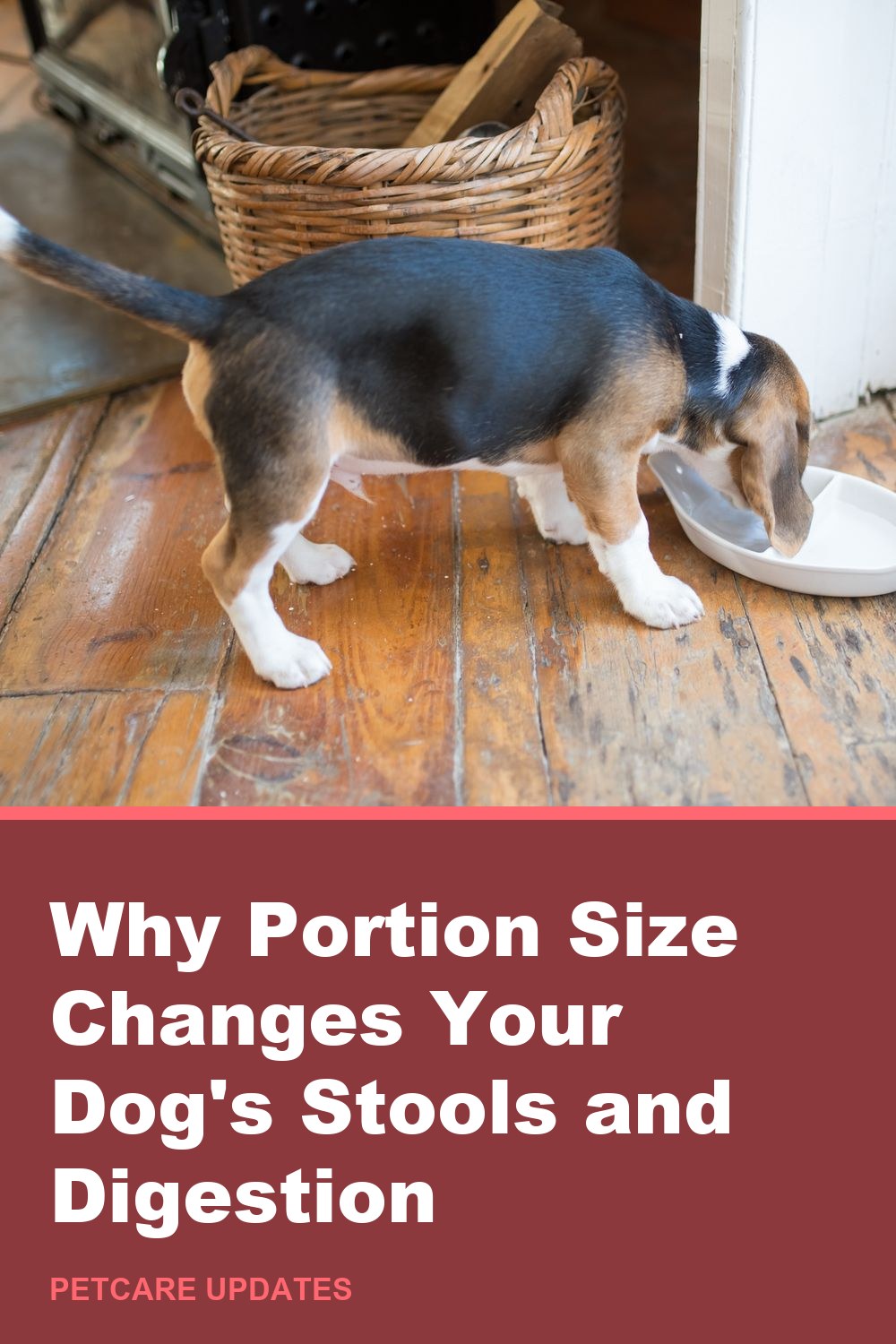

If your puppy's stools are softer than your adult dog's, age may not be the whole explanation. Researchers at the Federal University of Paraná found that adult Beagles fed puppy-sized portions developed some of the same digestive traits as young puppies, including softer stools and lower protein digestibility. The finding, reported by Petfood Industry from a study in the Journal of Veterinary Internal Medicine, suggests that the amount a dog eats shapes the gut as well as the ingredient list does. That makes the measuring scoop and the treat jar as important as the label.
What the researchers did
The team ran two experiments using the same commercial dry food, formulated for growing dogs. In the first, eight Beagles were followed at 2, 5, 8 and 11 months, and six of them were assessed again at 14 months. This showed how digestion changed as the dogs matured.
In the second, two groups of six Beagles, all 14 months old, ate the same food in different amounts. One group received maintenance portions. The other received larger portions that matched what the younger puppies ate relative to their metabolic body weight. Because the food was identical, any difference between the groups came down to quantity.
What larger portions did to adult dogs
The dogs on puppy-level portions digested protein less completely. Their apparent crude protein digestibility was 74.2%, against 77.1% in the maintenance group. Apparent digestibility is simply the share of a nutrient that is eaten and not found again in the stool.
They also produced much more stool, averaging 363.7 grams a day against 202 grams. The stools held less dry matter and scored lower for firmness. In other words, they were softer and wetter.
Fecal ammonia and branched-chain fatty acids were higher too. Both are linked to protein fermentation. The bacterial community shifted as well, with more Streptococcus and less Blautia.
| Measure (14-month-old Beagles) | Maintenance portions | Puppy-level portions |
|---|---|---|
| Apparent protein digestibility | 77.1% | 74.2% |
| Stool produced per day | 202 g | 363.7 g |
| Stool dry matter and firmness | Higher | Lower |
| Fecal ammonia and branched-chain fatty acids | Lower | Higher |
| Streptococcus / Blautia | Less / more | More / less |
Age still matters, but not in one straight line
The first experiment showed that digestion does not simply improve across the board as a dog grows up. Protein digestibility rose with age, while fat and dry matter digestibility fell. The food's estimated metabolizable energy value also declined.
The gut bacteria settled down too. Communities changed during early growth, but the 8-, 11- and 14-month samples did not differ significantly. The researchers read this as the microbial community becoming more stable around 8 months in these Beagles. Older dogs also had higher fecal levels of the short-chain fatty acids acetate, propionate and butyrate.
Based on their results, the authors wrote that highly digestible protein sources combined with a more energy-dense diet are recommended for growing dogs. That is a point for food makers, but it helps explain why puppy food is built differently from adult food.
Where chicory root fits in
Ingredients are also getting attention. Petfood Industry has reported on research with Labrador puppies suggesting that whole chicory root powder may support digestive, metabolic and immune health. It is a good example of why owners look at labels for gut-friendly extras.
The Beagle study is a reminder that ingredients are only half the picture. A well-designed food can still produce loose stools if the dog eats a lot of it, and the same is likely to apply to extras added on top.
Keep the limits in mind
This was a small study: six dogs per group, one breed, and one diet. The experiments did not compare different protein sources or energy densities directly, and the authors say this limits how widely the results can be applied. The research was financed by Institute PremieRpet, which also helped by supplying the diet through Dalpet.
Nobody should conclude from this that a bigger portion is a way to make an adult dog grow or thrive. It simply shows that a dog's gut responds to how much is going in.
What this means for you
Here is how to put the findings to use at home.
- Measure, don't guess. A scoop that is slightly heaped each day adds up. Ask your vet to confirm the right daily amount for your dog's age, size and body condition, then measure it the same way each time.
- Count treats as food. According to Whole Dog Journal, companion animal nutritionist Dr. Mary Cope advises that treats should make up no more than 10% of daily calories, with the other 90% coming from a complete and balanced diet. Going beyond that can unbalance the diet, dilute nutrients and add weight.
- Make treats smaller than you think. Dr. Cope says owners tend to overestimate how big a treat needs to be and underestimate its calories. She notes that a small dog's whole treat allowance might be about 20 calories, and one bakery-style cookie can exceed that. Most dogs, she says, prefer five tiny treats to one large one.
- Use part of the meal as a reward. Dr. Cope likes plain kibble as treats, especially for puppies, as a bonding tool. This keeps the day's total steady.
- Pick easy-to-digest extras. She suggests whole foods such as carrots, green beans, peas, blueberries, apple slices and plain boiled, unseasoned chicken, which is low in fat. Plain Cheerios are her suggestion for a low-calorie pocket treat.
- Skip the risky ones. Her avoid list includes chocolate and cocoa, xylitol (also labeled birch sugar), grapes and raisins, onions and garlic in real amounts, macadamia nuts and alcohol. She also steers owners away from very high-fat foods such as bacon, which can trigger pancreatitis, and from regular high-sugar treats.
- Watch the stools. Note their firmness and volume. If they turn soft after a change in portions, treats or ingredients, look at the quantity first. If the change persists, ask your vet.
Puppy owners and adult-dog owners: a quick comparison
Puppies eat more relative to their body size because they are growing, and their food is designed for that. Their digestion is also still settling, and in the Beagles the gut bacteria seemed to stabilise around 8 months. Soft stools in a young puppy are not automatically a sign that something is wrong, but they are worth mentioning to your vet if they last.
An adult dog eating on the puppy plan is a different case. The adult does not have the same growth demand, and the Beagle study shows how a large intake can change digestion. If your adult dog has crept up in portions or treats, trimming back to the amount your vet recommends is the first thing to try.
FAQ
Why are puppy stools softer than adult dog stools?
Part of the reason may be how much puppies eat. In the Paraná study, adult Beagles given puppy-level portions of the same food produced softer, more plentiful stools and digested protein less completely. Age is only part of the explanation, so the amount of food matters too.
How many treats can my dog have a day?
According to Dr. Mary Cope, quoted by Whole Dog Journal, treats should be no more than 10% of a dog's daily calories. Because dogs differ so much in size, ask your vet what that works out to for yours, and break treats into small pieces so you can give more of them.
Does chicory root in dog food help digestion?
Research with Labrador puppies, reported by Petfood Industry, suggests whole chicory root powder may support digestive, metabolic and immune health. It is early research, and it does not replace sensible portions. Ask your vet whether a food containing it suits your dog.
As an Amazon Associate I earn from qualifying purchases. Links open a search on the Amazon store for your country.
Sources
- Petfood Industry: Beyond age, food amount may explain some puppy, adult dog gut differences
- Petfood Industry: Chicory root powder may have functional dog food ingredient potential
- Whole Dog Journal: Dog Treats: How Many Are Too Many, What to Pick, and What to Avoid
Photo: Kampus Production / Pexels

I'm an Italian creator who builds apps, games and websites. I run PetCare Updates with the help of AI tools: every article starts from the sources linked above, and I check what goes out. I'm not a doctor, a lawyer or a financial adviser. Spotted a mistake or have an idea? Write to me.
Instagram @spartaco_94_My websiteWrite to meAbout this blog










 The Basics of Puppy Training: A Comprehensive Guide
 Understanding Feline Behavior: Training Your Cat
 Solving Common Behavioral Issues in Dogs and Cats





