 PetCare Updates

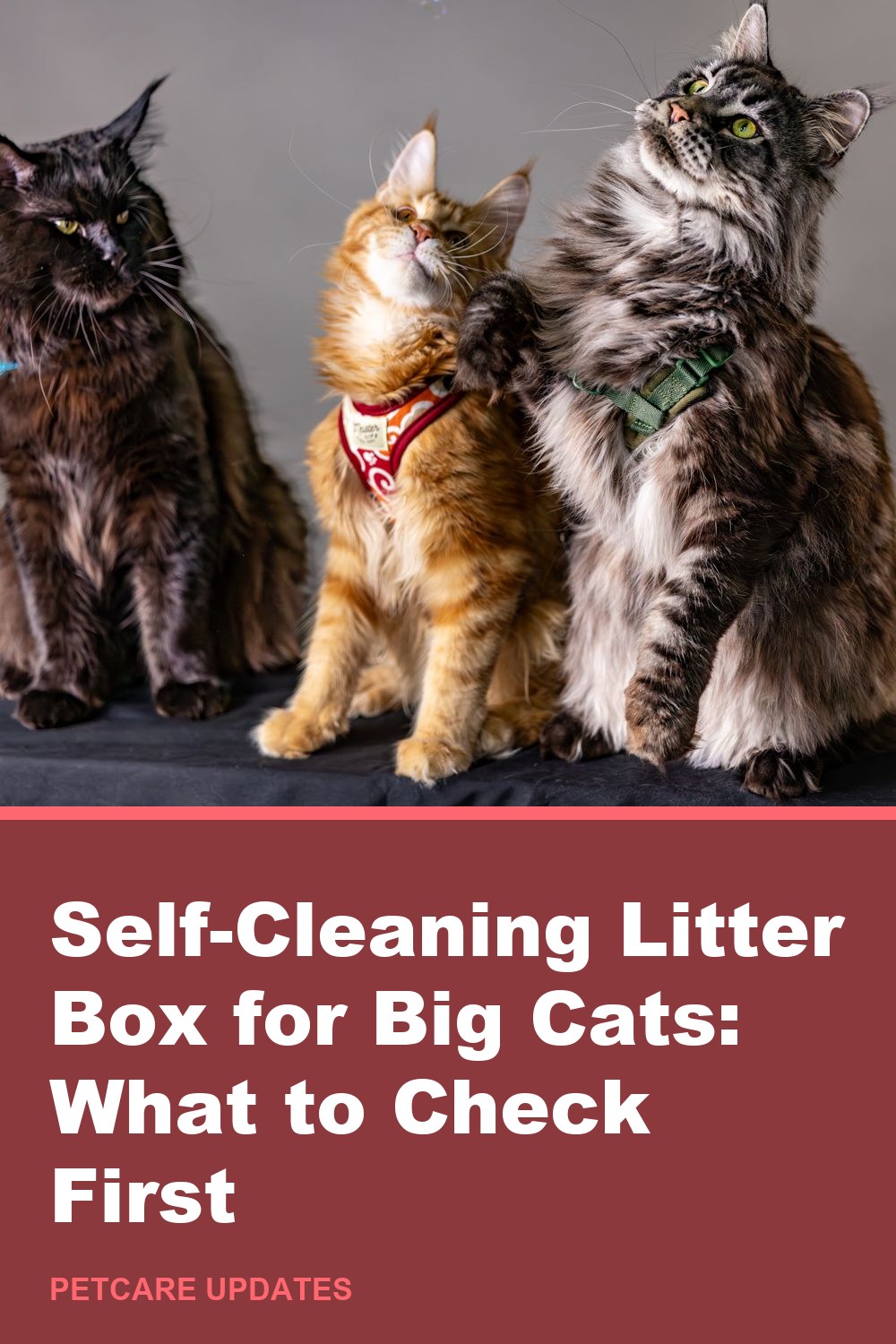

An automatic litter box can take a lot of the daily scooping out of life with a big cat or a houseful of cats. But two recent Cats.com reviews of open-top models show that the details matter: size, sensor behaviour, odour control and reliability differ a lot from one box to the next. Neither machine removes cleaning altogether, so it pays to check a few things before you spend the money.
Why open-top models suit large cats
Many self-cleaning boxes use a rotating drum, which can feel cramped for a large cat. Cats.com looked at two open-top alternatives built with big cats in mind: the Happypaw XXXL and the Oneisall Ease S1 Pro. According to Cats.com reviewer Amy Brown-Towry, the Happypaw has a 55 × 42 cm entrance with a low step in. She says that makes it suitable for large breeds, senior cats and cats with limited mobility. The review says it is roomy enough even for Maine Coons.
Katelynn Sobus, who reviewed the Oneisall for Cats.com, describes its tray as the largest she has seen on a self-cleaning box, at 15.43 × 15.16 inches. Both models are open, which Sobus notes many cats may prefer to covered boxes.
Safety sensors: a good sign, with a catch
Automatic boxes should stop moving when a cat is near. Both models have sensors for this. The Happypaw uses infrared sensors and an anti-pinch mechanism that pauses the cleaning cycle. The Oneisall uses motion, weight and radar sensors, and Cats.com says they detect a cat from more than three feet away.
The Oneisall's sensors were so sensitive that, in testing, it would not scoop while Sobus sat in front of it. She likes the cat-first approach. But if the sensors are triggered too many times, the machine can pause and need a reset, sometimes more than once. Sobus points out the practical risk: if you are out and a curious cat keeps approaching, you could come home to a box that has stopped mid-cycle and is tilted, possibly leaving your cat nowhere to go.
Both manufacturers also give placement advice. Oneisall recommends a flat, hard surface rather than carpet, with enough clearance around the box. Happypaw recommends a hard, level surface too. It also says to keep automatic cleaning switched off for kittens under six months old or shorter than 15 cm.
How much cleaning is still left?
This is where the two boxes differ most. The Happypaw rakes waste into a sealed 12-litre drawer that Cats.com says can hold up to twenty days of waste from one cat. It scored 4.6 out of 5 for odour control. You will still need occasional wipe-downs to remove litter that sticks to the non-stick tray, and Brown-Towry found the bin liners awkward to change when the drawer is full.
The Oneisall's drawer holds up to 14 days of waste for one cat, but it is not tightly sealed, so Sobus says odour can build up. Its odour control score was 3 out of 5. The litter tray does not empty itself, so you tip the litter into a bin before a deep clean. Sobus says the boxy shape makes that easy, and found deep cleaning much simpler than with round drums. Its liner does not fit snugly against the tray, though, and the ripples could be pierced by claws.
Both reviews give the drawer figures for a single cat. In a multi-cat home, expect to empty the drawer sooner. Cats.com does not give a figure for that.
Reliability and the app
The Happypaw connects to a 2.4 GHz Wi-Fi app with remote control, usage logs and basic health insights. Brown-Towry calls the app simpler than those on premium rivals and says it occasionally sent incorrect notifications. The rake also makes a noticeable clunk as it resets. It startled the test cats at first, but they adjusted.
The Oneisall is the bigger concern. Sobus reports that many customers, herself included, had technical issues ranging from mild to severe. She says that when it works it is great, but she strongly recommends keeping at least one other litter box in the home in case of a malfunction. Her own cats will not use automatic boxes, so she tested with water-made "urine clumps" and deliberately triggered the sensors. That means her review says nothing about how cats took to it.
The two boxes side by side
| Feature | Happypaw XXXL | Oneisall Ease S1 Pro |
|---|---|---|
| Cats.com overall score | 4.1/5 | 3.8/5 |
| Size detail given | 55 × 42 cm entrance, low entry | Tray 15.43 × 15.16 inches |
| Safety system | Infrared sensors, anti-pinch mechanism | Motion, weight and radar sensors |
| Waste drawer | 12 litres, sealed, up to 20 days for one cat | Up to 14 days for one cat, not tightly sealed |
| Odour control score | 4.6/5 | 3/5 |
| Ease of cleaning score | 3.8/5 | 5/5 |
| Construction score | 3.9/5 | 2/5 |
| Main drawbacks | Large footprint, awkward bin liners, clunk when resetting, occasional wrong app alerts | Technical faults, pauses after repeated sensor triggers, loose liner, tray must be emptied by hand |
| Price | Roughly $300 | Not stated in the review |
What this means for you
If you have a big cat or several cats, use this checklist before you buy:
- Measure your cat and your space. Compare your largest cat's length with the box's entrance or tray size. Brown-Towry notes the Happypaw takes up more room than many automatic boxes, so check the floor space too.
- Check the floor. Both brands want a hard, flat surface. If the only spot is carpeted, the sensors may not work properly.
- Think about who is at home. Sensitive sensors are good for safety, but a box that pauses and needs a manual reset is a problem if nobody is around.
- Keep a backup. Whatever you buy, keep at least one ordinary litter box available, as Sobus advises. It also helps while your cats are getting used to the new one.
- Plan for the manual jobs. Expect wipe-downs, bin liner changes and an occasional full empty and wash. Your cats' numbers will decide how often the drawer needs emptying.
- Check your litter. Both boxes work with most clumping litters. Happypaw recommends mineral and bentonite types. For larger particles such as tofu pellets, Oneisall sells a 12 mm sifting guard separately.
- Introduce it gently. Brown-Towry's two cats were curious right away, but every cat is different. Watch for any sign of hesitation, especially around the clunk of a resetting rake.
Keep kittens, and any cat with a health or mobility concern, in mind. Happypaw advises turning automatic cleaning off for kittens under six months or shorter than 15 cm. If your cat changes how often they use the litter box, or seems uncomfortable, ask your vet rather than relying on an app's health insights.
FAQ
Are self-cleaning litter boxes safe for cats?
The two models Cats.com tested include sensors that pause cleaning when a cat approaches. The Happypaw adds an anti-pinch mechanism. Safety still depends on correct placement on a hard, level surface and on the box working as intended. Follow the manufacturer's guidance, especially for kittens.
Do automatic litter boxes mean no more scooping?
No. They greatly reduce daily scooping, but you still empty the waste drawer, change liners, wipe stuck litter and deep clean. The Happypaw review says drawer capacity is up to twenty days for a single cat, and the Oneisall's is up to 14 days. More cats means more frequent emptying.
Which automatic litter box is best for a Maine Coon or other large cat?
Cats.com says the Happypaw XXXL is roomy enough even for Maine Coons, and it scored higher overall, at 4.1 out of 5. The Oneisall Ease S1 Pro has a very large tray, but the reviewer reports technical problems and finds it hard to recommend. Your own cat's size and your home layout should decide, so measure first.
As an Amazon Associate I earn from qualifying purchases. Links open a search on the Amazon store for your country.
Sources
- Cats.com: Happypaw XXXL Automatic Self-Cleaning Litter Box Review: We Tested It
- Cats.com: Oneisall Ease S1 Pro Self-Cleaning Litter Box Review
Photo: Yudi Ding / Pexels

I'm an Italian creator who builds apps, games and websites. I run PetCare Updates with the help of AI tools: every article starts from the sources linked above, and I check what goes out. I'm not a doctor, a lawyer or a financial adviser. Spotted a mistake or have an idea? Write to me.
Instagram @spartaco_94_My websiteWrite to meAbout this blog










 The Basics of Puppy Training: A Comprehensive Guide
 Understanding Feline Behavior: Training Your Cat
 Solving Common Behavioral Issues in Dogs and Cats





