 PetCare Updates

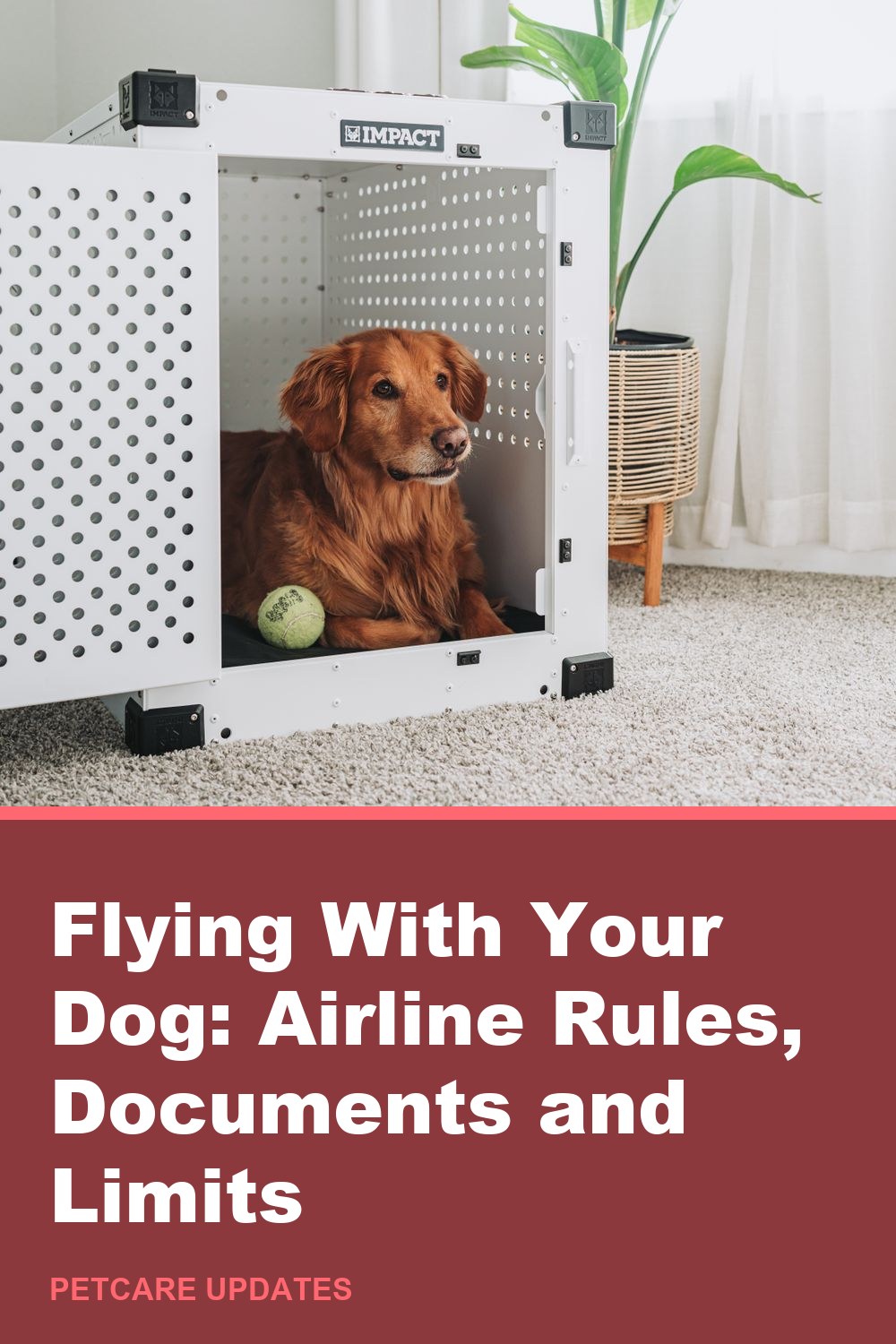
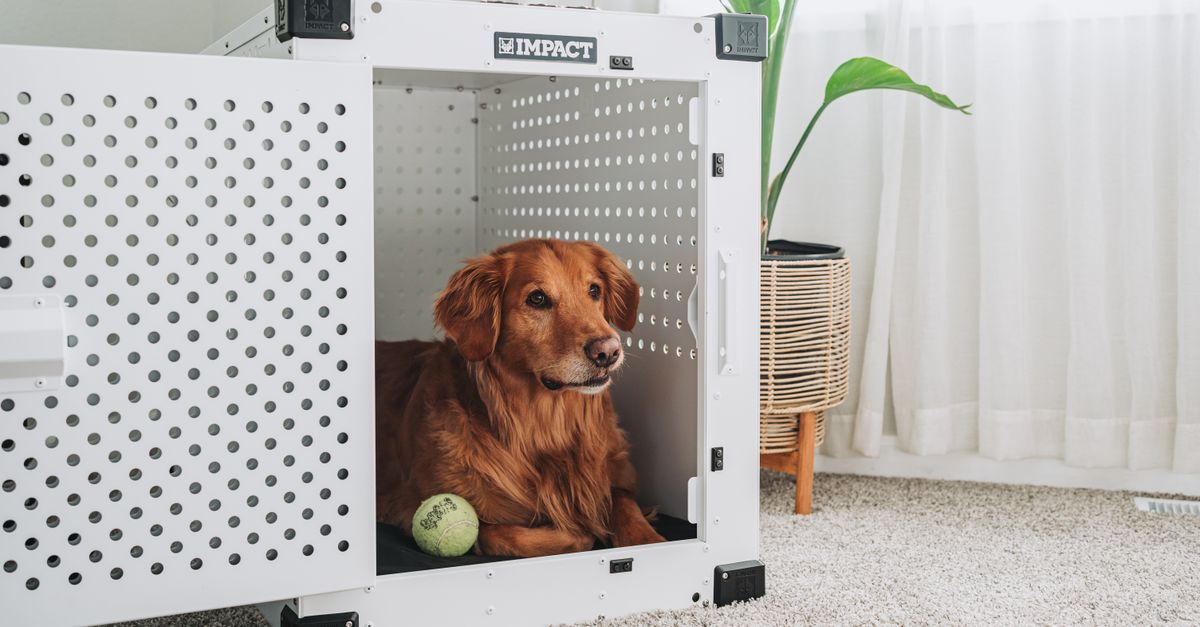
If you plan to fly with your dog, the most important rule is to ask the airline directly, because requirements differ from carrier to carrier and can change quickly. According to Whole Dog Journal, even reliable sources such as the US Department of Transportation may not have the most current information. Your dog's size, breed, age and destination all affect whether a plane is an option at all.
Service dogs and pets are treated differently
Legal service dogs trained to assist with a physical, sensory, psychiatric or intellectual disability may ride in the cabin with their handler at no extra charge. Whole Dog Journal points out that a family pet does not get the same treatment. A pet has to meet each airline's rules for cabin or cargo travel, and sometimes neither route is open.
Three ways a dog can fly
Whole Dog Journal lists three routes:
- With you in the cabin, or as cargo where the airline permits it.
- Through a licensed commercial pet shipper.
- As manifest cargo with the same airline, but on a separate flight.
For international flights on a commercial airline, your dog generally has to be small enough for a carrier that fits under the seat. Most U.S. carriers only recently stopped carrying dogs in the hold on international flights, though many still allow it domestically. Some non-U.S. airlines, Lufthansa among them, still accept dogs in the animal hold on international routes. Check each carrier rather than assuming.
When a dog can't simply fly as a pet
Several situations close off the usual options:
- Your dog is too big for the cabin. If the dog and carrier together exceed the airline's limit, cabin travel is out. Cargo or a pet shipper may be the only route, and on many international flights even cargo is not available.
- Your destination bans pets in the cabin. Whole Dog Journal says South Africa, the UK and Australia forbid pets from arriving in the passenger cabin. Your dog may need to travel with a pet transport company.
- Your dog is a flat-nosed breed. Pugs, Bulldogs, Boston Terriers, Pekingese and Boxers are physiologically more prone to respiratory problems. They can also be more vulnerable to changes in air quality and temperature in the hold. Many carriers will not let them fly in the animal hold at all.
- The weather is outside the limits. Airlines can apply seasonal embargoes on cargo travel. These apply if your dog could face temperatures above 85 °F or below 45 °F for more than four hours, or for more than 45 minutes during boarding and deplaning.
- Your puppy is too young. Most passenger cabins require dogs to be at least eight weeks old.
Is the cargo hold safe?
The old picture of a dark, unheated hold is outdated, according to Whole Dog Journal. The animal hold is fully pressurized and climate-controlled, with the same heating and cooling as the cabin, and pilots can monitor and adjust it during the flight. The journal describes the overall risk of flying a dog as very small, but not zero, and the flat-nosed breeds above are the main concern.
Do not sedate your dog
Owners who sedate a nervous dog before a flight are trying to be kind, but Whole Dog Journal calls this perhaps the greatest danger. The American Veterinary Medical Association, the International Animal Transportation Association and the US Department of Transportation all strongly advise against any sedation before a flight. Tranquilizers lower blood pressure and suppress the central nervous system, which can raise the chance of heart or respiratory problems.
The journal cites a 1995 study in the Journal of the American Veterinary Medical Association that veterinary experts still reference widely. It found oversedation to be the most frequent cause of animal deaths during air transport. From 1990 to 1995, almost half of airline animal deaths were linked to sedation. If your dog is anxious, ask your vet for safe ways to help.
Size, age and crate numbers at a glance
| Item | What Whole Dog Journal reports | What to do |
|---|---|---|
| Minimum age (cabin) | At least eight weeks for most cabins | Confirm your airline's minimum age |
| Weight (cabin) | Most major airlines cap dog plus carrier at 20 pounds | Weigh your dog in the loaded carrier |
| Under-seat carrier | No more than 19 in long, 13 in wide, 9 in high | Measure the carrier and check your airline's exact size |
| Space inside | Dog must stand, turn around and lie down in the zipped carrier | Test this at home |
| Cargo crate | Must meet IATA guidelines and airline standards | Ask the airline for its crate specifications |
| Temperature embargo | Above 85 °F or below 45 °F (more than four hours, or more than 45 minutes at boarding/deplaning) | Check seasonal restrictions before booking |
| International planning | Arrangements can take up to six months | Start early and contact the destination's embassy |
| UK and EU entry | ISO-compliant microchip required | Confirm your dog's chip type with your vet |
What this means for you: a practical plan
1. Call the airline first. Ask whether your dog can fly in the cabin, as cargo, or not at all on your route. Ask about breed rules and seasonal embargoes, and write down the answers along with the name of the person you spoke to.
2. Check the destination. Contact the embassy of the country you are visiting. Whole Dog Journal says high-risk rabies destinations are likely to add restrictions, and certain EU countries may require a rabies titer test. Ask your vet what applies to your dog.
3. Book the vet visit. The USDA's APHIS Form 7001 is one of the most common forms linked to pet travel. Your veterinarian completes it to certify that your dog is healthy and fit to travel. Airlines set their own rules, so confirm which documents yours wants.
4. Get your dog used to the carrier. Allow at least a month. Leave the door open with a comfortable blanket or crate pad inside, and try feeding meals in there so the carrier feels like a good place.
5. Ask your vet about feeding and water. Find out how long before the flight to feed your dog and how much. Make sure the carrier has room for a water bowl and that your dog can reach water during the flight.
6. Prepare identification and a travel kit. Your dog needs a collar with ID tags and a compliant microchip. Carry a recent photo. Put your name and phone number inside the carrier and attach a tag showing your destination address. Pack a leash, any medications your vet has prescribed, and contact details for your vet and an emergency veterinary hospital at your destination.
7. Manage your own nerves. Few studies have looked at how air travel affects dogs, and much of what is known comes from experience. Whole Dog Journal does say a dog's stress during travel is directly tied to its owner's anxiety. A calm, well-rehearsed routine helps both of you.
FAQ
Can my dog fly in the cabin with me?
Possibly, if your dog is at least eight weeks old and small enough. Most major airlines limit dog and carrier to 20 pounds combined, and the carrier must fit under the seat. Some countries, including South Africa, the UK and Australia, do not allow pets to arrive in the cabin, so check your destination too.
Is it safe to sedate my dog before a flight?
No. The American Veterinary Medical Association, the International Animal Transportation Association and the US Department of Transportation all strongly advise against it. Talk to your vet about other ways to keep your dog calm.
How far ahead should I plan an international trip with my dog?
Early. Whole Dog Journal says international pet travel arrangements can take up to six months. Contact the destination country's embassy about entry rules, and ask your vet about the microchip, health certification and any required tests.
- Soft-sided pet carrier that fits under an airplane seat
- Collapsible water bowl for your dog's carrier
- Dog ID tag with phone number
As an Amazon Associate I earn from qualifying purchases. Links open a search on the Amazon store for your country.
Watch or listen to this episode
Sources
Photo: Impact Dog Crates / Pexels

I'm an Italian creator who builds apps, games and websites. I run PetCare Updates with the help of AI tools: every article starts from the sources linked above, and I check what goes out. I'm not a doctor, a lawyer or a financial adviser. Spotted a mistake or have an idea? Write to me.
Instagram @spartaco_94_My websiteWrite to meAbout this blog










 The Basics of Puppy Training: A Comprehensive Guide
 Understanding Feline Behavior: Training Your Cat
 Solving Common Behavioral Issues in Dogs and Cats





