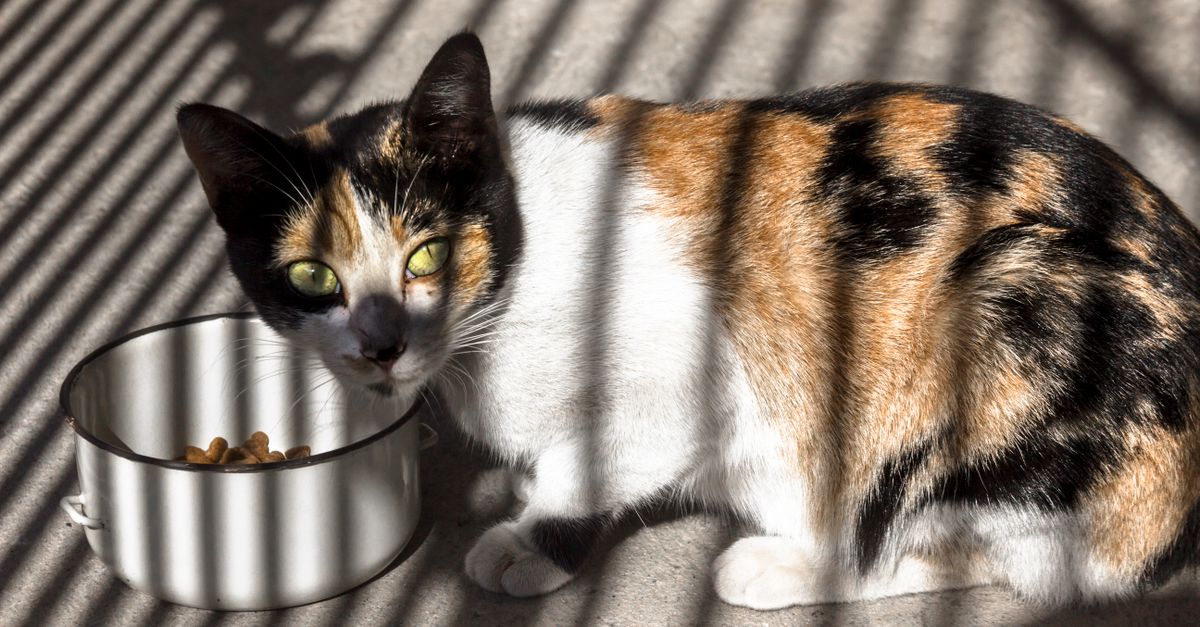
If you feed your cat raw food, take a minute to look in your freezer. On October 26, 2026, the U.S. Food and Drug Administration (FDA) advised owners not to feed two specific lots of Darwin's Natural Pet Products Natural Selections Chicken Recipe for Cats, after samples tested positive for Salmonella. The lot codes are printed on the package, so you can check in a few minutes whether your food is affected.
What the FDA found
According to Cats.com, the FDA collected and tested the samples after a consumer complaint. Two cats had developed gastrointestinal illness after eating Darwin's Natural Selections Chicken Recipe for Cats. One cat was hospitalized after eating food from one of the two affected lots. Both cats recovered once they stopped eating the product.
The FDA recommended that Arrow Reliance, Inc., which does business as Darwin's Natural Pet Products, recall the two lots. At press time, Cats.com reported, the company had not started an adequate recall or publicly responded to the advisory, and it did not answer requests for comment.
In practice, no one is going to pull this food from your freezer for you. The checking is up to you.
How to tell if your cat's food is affected
The food was sold frozen in 2-pound white and clear plastic packages with green and black labeling. Each package is divided into four separate units. It is sold online through a subscription service, and the labels carry no expiration dates, so you can't rely on a "use by" date to tell you what you have.
The lot code is printed on the front of the lower-left unit of the package. Compare it with the two lots in the table below.
| Product | Lot code | Manufacturing date |
|---|---|---|
| Darwin's Natural Selections Chicken Recipe for Cats | 12731 | Jul 08, 2026 |
| Darwin's Natural Selections Chicken Recipe for Cats | 12493 | Apr 02, 2026 |
Only these two lots are named in the advisory. Both are the Chicken Recipe for Cats in the Natural Selections line.
What to do if you have the food
Here is the FDA's guidance, in a sensible order.
- Stop feeding it. Don't give it to any pet, and don't donate it.
- Bin it securely. Use a closed container so that no animals, wildlife included, can get to it.
- Clean what it touched. Wash and disinfect bowls, containers, utensils and food-prep surfaces. Do the same for any part of the fridge or freezer that the food contacted.
- Don't forget the rest of the house. Clean and disinfect floors, pet bedding and toys.
- Deal with the litter box. Clean up your cat's feces in litter boxes, the yard or anywhere else people or animals could be exposed.
- Wash your hands thoroughly after handling the food or cleaning anything that may be contaminated.
Freezing or refrigerating contaminated pet food does not kill Salmonella. Keeping the packs in the freezer "just in case" doesn't make them safer.
What if you can't confirm the lot code?
This is where many raw feeders will get stuck. Portions often get moved into other containers, and a lot code is easy to lose. The FDA says to throw the food away if you can't verify the lot. That applies if:
- you transferred the food to another container and no longer have the original package;
- you no longer have the lower-left unit that carries the printed code; or
- the code is unreadable.
It can feel wasteful to bin food that might be fine. But if the food is a Darwin's Natural Selections chicken product and you can't tell which lot it came from, you can't rule out the affected ones. Also check your subscription account or order emails. If you can still see what you were sent, that may help, though the package code is what the FDA tells you to use.
What this means for you
Start with a quick audit. Open the freezer, find any Darwin's packages, and look at the lower-left unit. If you don't find a match, you have nothing to throw away under this advisory. If you do find a match, or can't read the code, follow the steps above.
Then watch your cat. The FDA lists these signs of Salmonella infection in pets:
- vomiting
- diarrhea
- fever
- loss of appetite
- lower activity than usual
If your cat shows any of them after eating this food, call your veterinarian promptly. Tell the vet which product and lot your cat ate. Don't try home treatment or give any medicine without asking your vet first. If you think your cat became ill from the affected food, the FDA also suggests reporting it through its Safety Reporting Portal.
Think about the people in your home, too. Salmonella can make people ill as well as pets, and the very young, the very old and anyone with a weakened immune system are especially vulnerable. If anyone in your household has diarrhea, fever and abdominal cramps, they should consult a healthcare provider.
A cat that looks well can still spread it
According to Cats.com, even a cat that seems healthy can carry Salmonella and pass it to family members. Infected pets may shed the bacteria in their feces and saliva. That can contaminate surfaces and expose other pets and people.
If your cat ate the affected food, a few habits help:
- Scoop feces promptly.
- Wash your hands after touching your cat or cleaning the litter box.
- Avoid contact with your cat's saliva.
- Disinfect surfaces your cat or the food may have touched.
These steps matter most in homes with babies, older relatives, or anyone with a weakened immune system.
FAQ
Which Darwin's cat food lots are affected?
Two lots of Darwin's Natural Pet Products Natural Selections Chicken Recipe for Cats are named: Lot 12731 (manufactured Jul 08, 2026) and Lot 12493 (manufactured Apr 02, 2026). The code is printed on the front of the lower-left unit of the package.
My cat ate the food but seems fine. Do I need to do anything?
Yes. Stop feeding it and clean up as described above. A cat that seems well can still carry Salmonella and shed it in feces and saliva, so careful cleaning and handwashing still apply. If your cat develops vomiting, diarrhea, fever, appetite loss or low energy, call your vet promptly.
Does freezing the food make it safe?
No. The FDA says freezing or refrigerating contaminated pet food does not kill Salmonella. If your food is from an affected lot, or you can't verify the lot code, throw it away in a secure container rather than keeping it.
As an Amazon Associate I earn from qualifying purchases. Links open a search on the Amazon store for your country.
Sources
Photo: roselino rocha / Pexels
I'm an Italian creator who builds apps, games and websites. I run PetCare Updates with the help of AI tools: every article starts from the sources linked above, and I check what goes out. I'm not a doctor, a lawyer or a financial adviser. Spotted a mistake or have an idea? Write to me.
Instagram @spartaco_94_My websiteWrite to meAbout this blog