 PetCare Updates

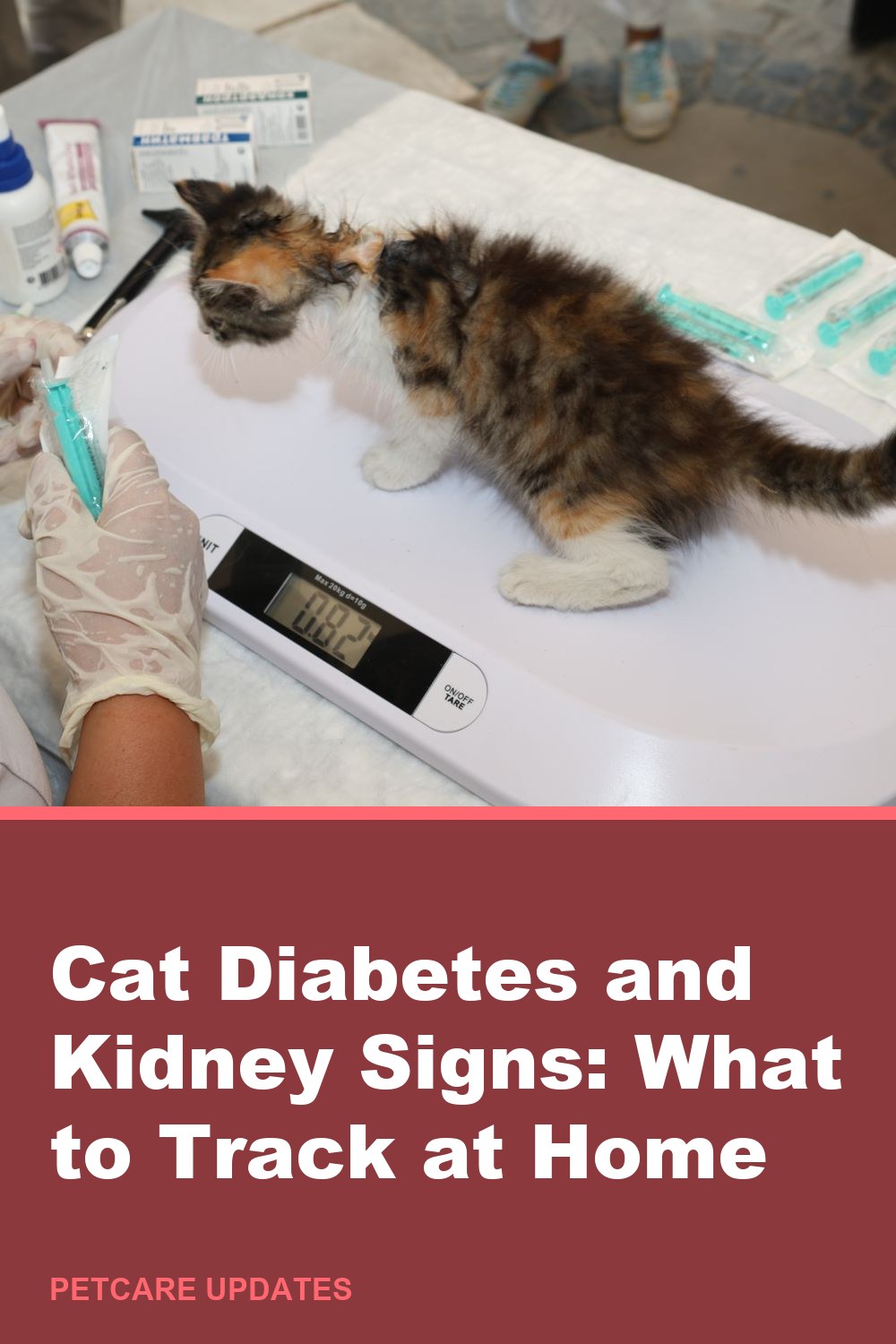
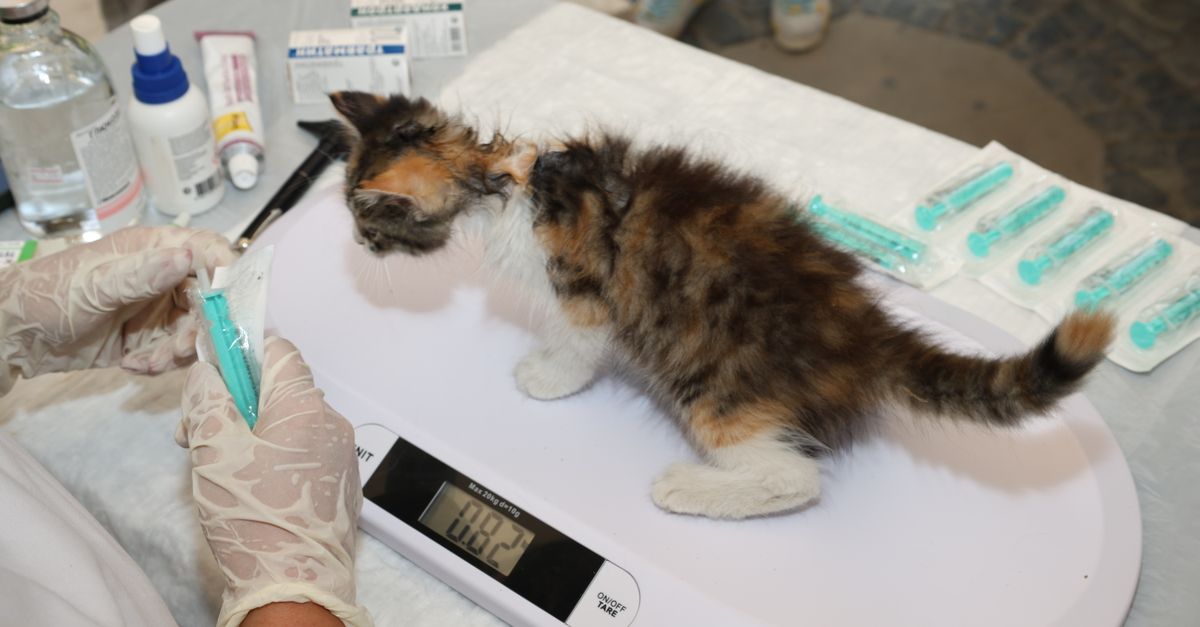
Cats are skilled at coping with illness, which means the first signs of diabetes or kidney disease are easy to miss, even for vets. dvm360 recently covered how feline diabetes care has changed under the updated AAHA guidelines, and a separate dvm360 piece looked at what in-home monitoring can reveal. The practical lesson for cat owners is that a few weeks of simple, written observations can give your vet far more to work with than "he seems a bit off."
Why cats hide illness so well
According to dvm360, cats are initially very good at managing or adapting to their illnesses. That makes it hard to notice meaningful shifts in urination, defecation or other litter box behaviour between check-ups. Memory is also unreliable. Most of us cannot say exactly how many times our cat used the tray last Tuesday.
The same article makes a point that suits home observation well: a change from your own cat's usual pattern is often more meaningful than one isolated data point. One strange day tells you little. A steady drift over days or weeks is worth a phone call.
What the updated AAHA diabetes guidelines mean for you
dvm360 has published an article on how feline diabetes care has evolved under the updated AAHA guidelines. Those guidelines are written for veterinary teams, so the clinical details are for your vet to apply. What you can do is make sure your vet gets good information from home. Diabetes care depends on a clear picture of how your cat is eating, drinking, weighing and behaving over time, and you are the only one who sees that daily. If your cat has diabetes or you suspect it, ask your vet how the current guidelines shape the plan for your cat, and which home observations they would like you to record.
What changes in the litter box can point to
The second dvm360 article, sponsored by Purina Institute and written by Purina-affiliated scientists, focuses on litter box data collected by smart monitors. You do not need a gadget to learn from its findings, because the same signals can be watched by eye.
It reports that increased urine output or more frequent urination, especially alongside weight change, may point to diabetes, reduced kidney concentrating ability, hyperthyroidism or other whole-body disease. Vets then tend to ask about thirst, appetite, weight, the size of urine clumps, medications, diet and behaviour. Those are exactly the things worth noting down beforehand.
Urinary tract problems can look different. dvm360 lists more frequent trips to the box, longer or unproductive attempts to urinate, changes in urine colour, and going outside the box.
What a kidney disease study found
Chronic kidney disease (CKD) is common in older cats and its early signs build slowly. Researchers from Nestlé Purina PetCare Global Research and Development and The Ohio State University compared cats with CKD to age- and sex-matched cats with no known conditions, using data from in-home devices. The study included 136 cats across its training and validation sets.
Cats with CKD showed:
- more frequent urination, longer urination and higher estimated urine output;
- less covering behaviour after using the box;
- differences in defecation, including longer time spent actively defecating.
dvm360 notes that subtle measures, such as how long a cat spends in the box or how hard it digs, are difficult for owners to judge accurately without technology. So treat your own observations as a prompt for a vet visit, not a diagnosis. Abnormal trends call for veterinary review, which may include a physical exam, blood and urine tests, blood pressure measurement and CKD staging.
What to do: a simple home monitoring routine
Pick a regular time, such as the evening, and spend two minutes noting the following. A notebook or phone note is enough.
- Appetite: does your cat eat all, some or little of each meal, and does she accept her usual food?
- Thirst: are you refilling the water bowl more often than usual?
- Weight: weigh your cat on the same scale at roughly the same time, and record the figure rather than relying on how she looks.
- Litter box: note how many urine clumps you scoop, whether they are bigger than usual, any change in urine colour, and whether she covers her waste.
- Behaviour: record trips to the box that produce nothing, accidents outside the box, and any change in energy or mobility.
Write down dates as well. If you can, record a few normal days first so that you know your cat's baseline.
| What you notice | What it may point to (per dvm360) | What to tell your vet |
|---|---|---|
| More frequent urination or bigger clumps, especially with weight change | Diabetes, reduced kidney concentrating ability, hyperthyroidism or other systemic disease | Thirst, appetite, weight figures, clump size, medications, diet |
| More visits to the box, straining, unproductive attempts, colour change, going outside the box | Urinary tract disease | How often and since when, urine colour, where accidents happen |
| Less covering after using the box, longer time defecating, more urination | Patterns seen in cats with chronic kidney disease | Hydration, stool quality, appetite, diet, energy and mobility |
Bring the data, then act on it
dvm360 stresses that data is only useful if it leads somewhere. Noticing a trend should lead to documentation, a vet check and, where needed, diagnostic tests. Nutrition follow-up can come after that. Diet affects metabolism, body composition and kidney health, but any change should be recommended by your vet for your individual cat. For kidney disease, a therapeutic renal diet can help manage phosphorus and electrolyte balance, and earlier recognition may allow action while appetite and body condition are still stable. For urinary problems, diet may help dilute urine and lower the risk of recurrence in susceptible cats. Ask your vet about specific foods, amounts and any medication, and do not change these on your own.
Vet teams can also advise on hydration, litter box access, stress reduction and when to call. Ask them for a clear threshold, for example how many days of change should prompt a call, so you are not left guessing.
FAQ
What early signs of diabetes should I watch for in my cat?
dvm360 says increased urine output or more frequent urination, particularly with a change in weight, can point to diabetes among other conditions. Also keep an eye on thirst, appetite and clump size, and report any changes to your vet.
Do I need a smart litter box to monitor my cat?
No. Smart litter boxes record weight, visit length and urine output around the clock, but you can track appetite, water refills, weight, clump size and box habits yourself. Smart boxes can capture subtle details that owners cannot easily judge, so the aim at home is to spot obvious changes and report them.
When should I call the vet about litter box changes?
Call when you see a change from your cat's normal pattern that lasts or keeps growing, such as more frequent urination, straining, unproductive attempts, a change in urine colour or going outside the box. Ask your vet how soon they want to hear about each type of change.
As an Amazon Associate I earn from qualifying purchases. Links open a search on the Amazon store for your country.
Watch or listen to this episode
Sources
- dvm360 (veterinary news, FDA pet-food warnings): <![CDATA[How feline diabetes care has evolved under the updated AAHA guidelines]]>
- dvm360 (veterinary news, FDA pet-food warnings): <![CDATA[Objective in-home monitoring for cats: Early disease signals and nutrition follow through]]>
Photo: Tahir Xəlfəquliyev / Pexels

I'm an Italian creator who builds apps, games and websites. I run PetCare Updates with the help of AI tools: every article starts from the sources linked above, and I check what goes out. I'm not a doctor, a lawyer or a financial adviser. Spotted a mistake or have an idea? Write to me.
Instagram @spartaco_94_My websiteWrite to meAbout this blog










 The Basics of Puppy Training: A Comprehensive Guide
 Understanding Feline Behavior: Training Your Cat
 Solving Common Behavioral Issues in Dogs and Cats





