This article is part of the digital publishing network created by Ciro Irmici. Explore the creator portfolio here: Ciro Irmici Portfolio.
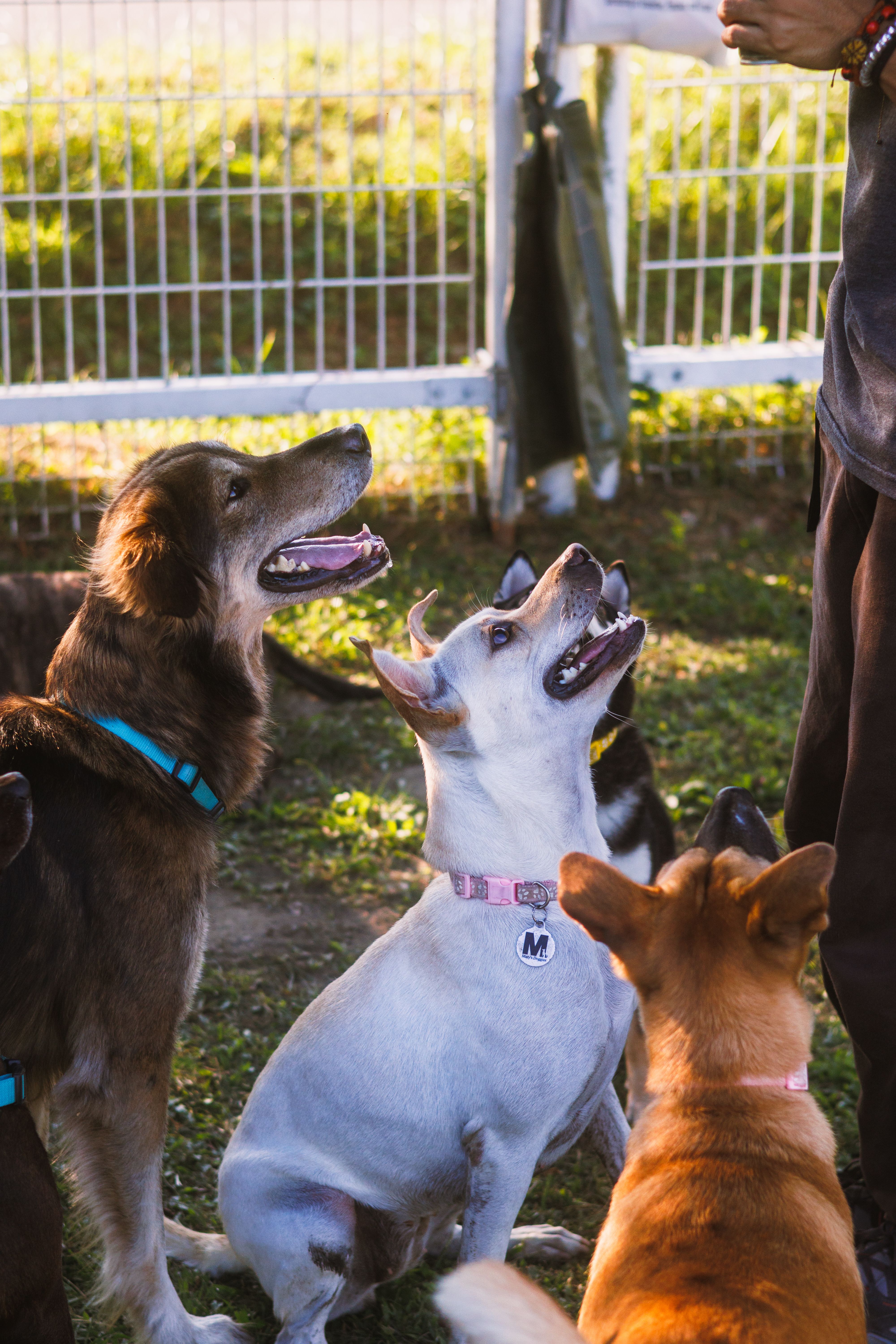
Why Understanding Reinforcement Is Key to a Happy Pet
Quick read below — save or share if useful.
What is Reinforcement?
At its core, reinforcement is a behavioral principle that helps shape your pet’s actions. It involves increasing the likelihood that a behavior will occur again in the future by associating it with certain responses, typically positive ones. This can include treats, affection, or playtime, but it’s important to note that reinforcement isn't merely a reward. It's about creating a clear connection between a specific action and a positive outcome.
How Does Reinforcement Work?
When your pet engages in a behavior you want to encourage, immediately following it with reinforcement makes that behavior more likely to be repeated. For instance, if your dog sits on command and receives a treat right after, they learn that sitting earns them something positive. Likewise, if your cat uses the litter box, giving them attention or a small treat reinforces that good behavior.
What Types of Reinforcement Can You Use?
- Positive Reinforcement: This is when you offer something desirable to increase a behavior. This could be treats, praise, or a favorite toy.
- Negative Reinforcement: This involves removing an unpleasant stimulus to increase behavior. For example, stopping the sound of a squawking toy when your dog stops barking.
- Social Reinforcement: Affection and attention from you can reinforce behaviors. Pets thrive on companionship!
- Play Reinforcement: Engaging in a favorite game can serve as reinforcement. When your dog retrieves a toy, throwing it again reinforces the behavior.
- Environmental Reinforcement: Instances can include outdoor time for a dog that behaves well indoors. Nature itself can be a great motivator.
How Should You Implement Reinforcement?
Here’s a structured approach:
- Identify the Behavior: Choose a specific behavior you want to reinforce. For example, if you want your dog to lie down, focus on that.
- Choose Appropriate Reinforcers: Select what will motivate your pet. For dogs, it might be treats or toys; for cats, it could be playtime or affection.
- Timing is Everything: Reinforce the desired behavior immediately. Delay can confuse your pet. Aim for a 1-2 second window.
- Be Consistent: Use the same commands and reinforcement for the same behaviors. Consistency helps your pet learn faster.
- Vary the Reinforcement: Mix treats with social reinforcement. Instead of only using food, combine it with playtime or praise to keep your pet engaged.
- Gradually Reduce Reinforcement: Once your pet consistently performs the behavior, start to reduce the reinforcement frequency. This helps maintain the behavior long-term.
- Monitor Progress: Keep track of how frequently your pet responds positively to reinforcement. Adjust as necessary based on their progress.
What Usually Goes Wrong?
Understanding reinforcement can be tricky. Here are three common mistakes pet owners make:
- Delayed Reinforcement: If you wait too long to reward your pet, they may not connect the behavior to the reward. Always reinforce immediately.
- Inconsistent Reinforcement: If you scatter rewards without a pattern, your pet can become confused about what behavior earns them rewards.
- Overusing Treats: Relying solely on treats can lead to obesity. Balance treat use with affection and playtime to maintain your pet’s health.
What the Evidence Says
Reinforcement techniques have gained support in animal training due to their effectiveness in modifying behavior positively. Behaviorists have consistently noted the benefits of using positive reinforcement while minimizing aversive training methods. This approach not only enhances the learning process but also can strengthen the bond between you and your pet, making training sessions enjoyable for both!
This article is general information, not veterinary advice. If your animal shows severe or worsening symptoms, contact a vet.

I'm an Italian creator who builds apps, games and websites. I run PetCare Updates with the help of AI tools: every article starts from the sources linked above, and I check what goes out. I'm not a doctor, a lawyer or a financial adviser. Spotted a mistake or have an idea? Write to me.
Instagram @spartaco_94_My websiteWrite to meAbout this blog