This article is part of the digital publishing network created by Ciro Irmici. Explore the creator portfolio here: Ciro Irmici Portfolio.
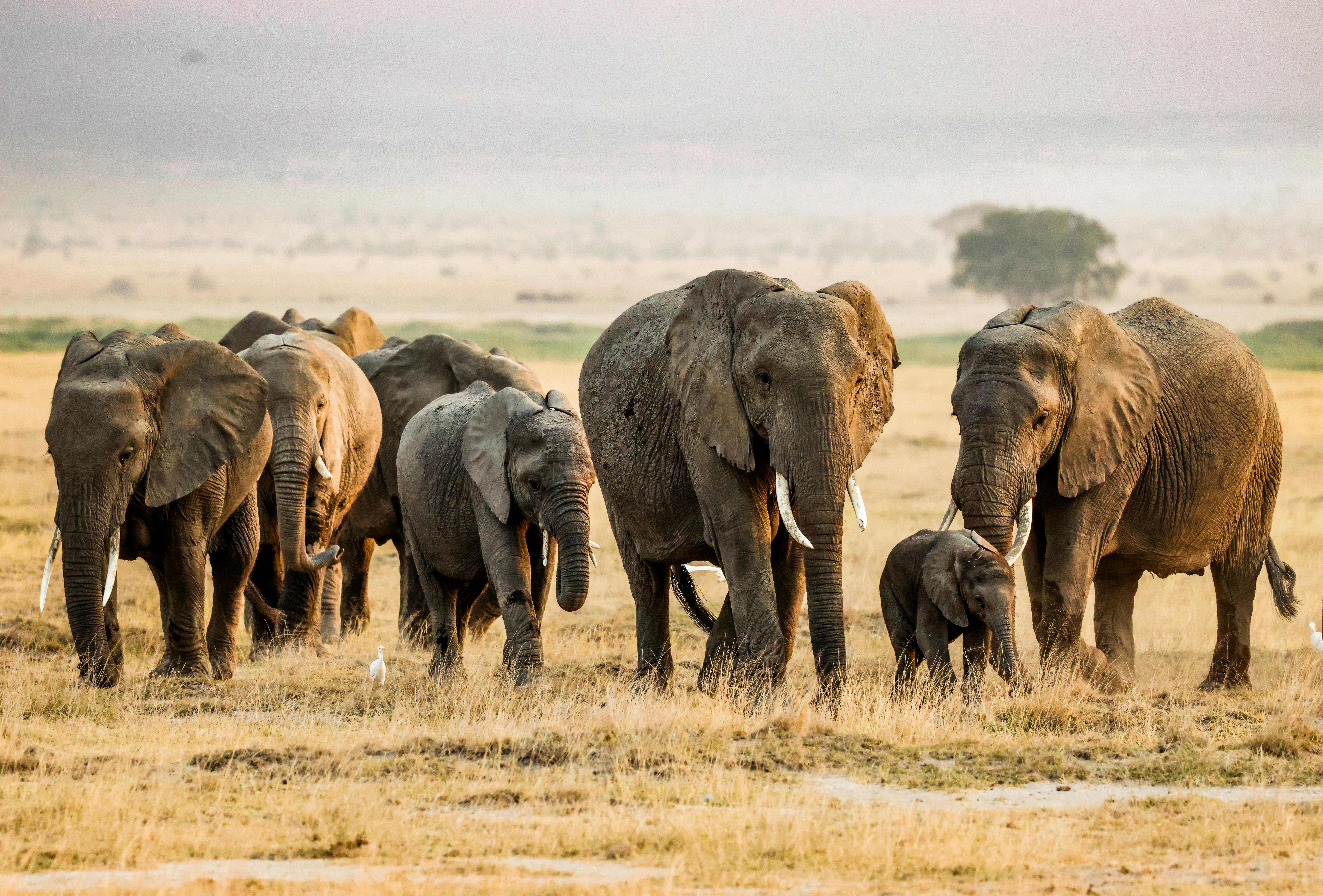
Suspected Cyanide Poisoning Claims Lives of 15 Elephants in Kenya
Quick read below — save or share if useful.
Recent reports indicate a tragic event in Kenya, where fifteen elephants have died due to suspected cyanide poisoning near Amboseli National Park. This alarming incident raises grave concerns about wildlife safety and the extent to which human activities can affect animal health and wellbeing. Understanding the implications of such events can help us grasp the urgent need for greater protection measures for wildlife and their habitats.
Understanding Cyanide Poisoning
Cyanide is a highly toxic chemical that can lead to rapid death in wildlife and humans alike. In the context of animal health, cyanide poisoning disrupts cellular respiration, preventing cells from utilizing oxygen effectively. Animals exposed to cyanide can show symptoms such as difficulty breathing, convulsions, and eventual death if they do not receive immediate intervention. Unfortunately, in the wild, such interventions are rarely possible, especially for large animals like elephants.
The Role of Habitat Security
Wildlife habitats increasingly face threats from human encroachment, habitat destruction, and illegal activities. The connection between habitat security and animal wellbeing cannot be overstated. When poaching or illegal harvesting of resources occurs, it often affects not only the targeted species but also disrupts the entire habitat, potentially leading to unnatural conditions, such as poisoned water sources or food contamination, which could explain how elephants came into contact with cyanide.
Impact on the Ecosystem
The loss of a keystone species like elephants has far-reaching consequences for ecosystems. Elephants play a critical role in maintaining the structure of their habitats by facilitating tree growth and creating water holes used by other animal species. An abrupt decrease in their population alters the balance within ecosystems, which can ultimately impact biodiversity. Such incidents reflect the delicate interdependencies present in the environment and underline the need for proactive conservation efforts.
Policy and Conservation Efforts
This tragic event highlights the significance of effective wildlife protection policies and regulations. Governments and wildlife organizations must work collaboratively to enact stringent measures to prevent the use of toxins and illegal poaching practices. Community awareness programs that educate local populations about wildlife importance and the consequences of harmful activities can also play a significant role in conservation efforts. Additionally, fostering sustainable economic practices that benefit local communities without damaging the ecosystem is crucial for long-term wildlife wellbeing.
How Pet Owners Can Help
While this article specifically discusses elephants and wildlife, pet owners also play an essential role in promoting animal wellbeing through conscious choices and advocacy. Here are some ways you can contribute:
- Support wildlife conservation organizations dedicated to protecting animals and their habitats.
- Advocate for responsible pet ownership and sustainable choices in your community.
- Educate yourself about the impacts of various chemicals and toxins, both for pets and wildlife.
- Participate in local clean-up initiatives to protect natural habitats.
- Share knowledge about the importance of biodiversity and ecosystems with friends and family.
FAQ
Question? What should I do if I suspect my pet has been poisoned?
If you suspect your pet has ingested a toxic substance like cyanide, it's crucial to seek veterinary assistance immediately. Time is of the essence in such situations, and prompt treatment may save your pet's life.
As evidenced by the recent deaths of these elephants, the threat of cyanide poisoning is not limited to domestic pets but is a serious problem affecting wildlife. By advocating for better environmental management, supporting conservation efforts, and staying informed about the impact of chemicals on health, pet owners can participate in a broader movement towards improving animal wellbeing and ecosystem protection. This not only matters for wildlife but also plays a crucial role in the greater health of our planet and its inhabitants.
- 𝕏 Twitter: @0_Simone_0
- 🎥 YouTube: Audiobook Free – Author Ciro Irmici
- 📸 Instagram: @spartaco_94_
- 💻 Tech Trends: techtrendspins.blogspot.com
- 💪 Fitness Home Journal: fitnesshomejournal.blogspot.com
- 🐾 Pet Care Inspo: petcareinspo.blogspot.com
- 🌍 Nomad Vibes Board: nomadvibesboard.blogspot.com
- 💰 Crypto Radar Board: cryptoradarboard.blogspot.com
- 🌱 Green Planet Pins: greenplanetpins.blogspot.com
- 🥗 Healthy Eats Board: healthyeatsboard.blogspot.com
Enjoyed this post? Share it or explore more across my blogs and channels.